
Key SEO Takeaways: Survival Kits in Australia
-
Australia’s Unique Emergency Risks: Bushfires, floods, heatwaves, and remote-area medical emergencies make having a survival kit essential for residents and travellers.
-
Survival Kit Purpose: Provides self-sufficiency during emergencies, ensuring safety and comfort until professional help arrives.
-
Water & Hydration Essentials: Include 3–4 litres per person per day, plus purification tablets or a portable water filter to handle contaminated supplies.
-
Non-Perishable Food Supplies: Pack long-shelf-life foods like canned goods, energy bars, dried fruits, and nuts to maintain energy during crises.
-
First Aid Kit Necessities: Must include bandages, antiseptics, pain relievers, CPR mask, thermometer, tweezers, scissors, and EpiPen if required, along with basic first aid knowledge.
-
Tools & Emergency Supplies: Multi-tool, flashlight with extra batteries, whistle, portable phone charger, blankets/sleeping bags, and plastic tarps for shelter or water protection.
-
Essential Documents & Contacts: Store ID, insurance, medical records in waterproof bags and maintain a current list of family and local emergency contacts.
-
Importance of First Aid Training: Skills such as CPR, allergic reaction management, and injury treatment can be lifesaving, especially in remote or disaster-affected areas.
-
Regular Maintenance of Kits: Check and replace expired food, water, and medications every six months, and adapt kit contents based on regional risks or household changes.
-
Proactive Preparedness: Combining a well-stocked survival kit with first aid training ensures optimal readiness for bushfires, floods, heatwaves, and remote emergencies across Australia.
Australia has a unique environment, with its unpredictable weather patterns and vast, remote areas, which makes it a country where emergencies can happen suddenly. A well-stocked survival kit can help you stay self-sufficient during these emergencies until help arrives. In this article, we’ll cover why you need a survival kit in Australia, the common emergencies you may face, essential items for your kit, and the importance of keeping it up to date.

Why You Need A Survival Kit In Australia
Australia’s climate and geography present unique challenges, with natural disasters like bushfires and floods being shared, especially in rural and remote areas. Extreme heatwaves are also a regular occurrence, and the country’s vast distances between towns and cities mean that help can sometimes take hours to reach you, especially if you’re travelling or living in isolated areas. Whether you’re dealing with a natural disaster or an injury while hiking in a remote location, a survival kit can make all the difference in keeping you safe and comfortable.
Common Emergencies in Australia
Australia is known for its harsh and unpredictable weather, and specific emergencies are more likely to occur depending on where you live or travel to the country.
Bushfires
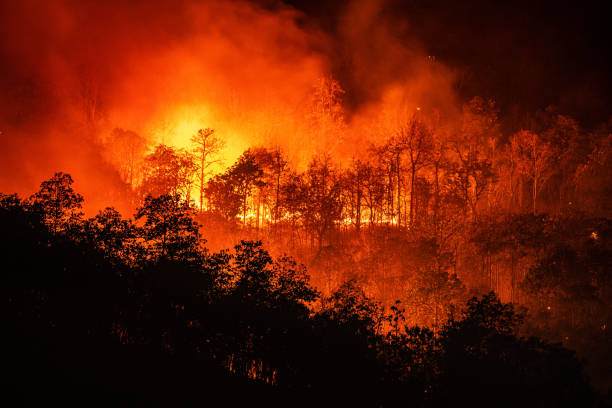
Bushfires are one of the most significant threats in Australia, particularly during the hot summer months. The country’s dry landscape and high temperatures create the perfect conditions for fires to spread quickly, often forcing people to evacuate with little notice. In areas prone to bushfires, you should have:
- Masks
- Wool blankets
- Emergency shelter supplies
- Toiletries
Flooding
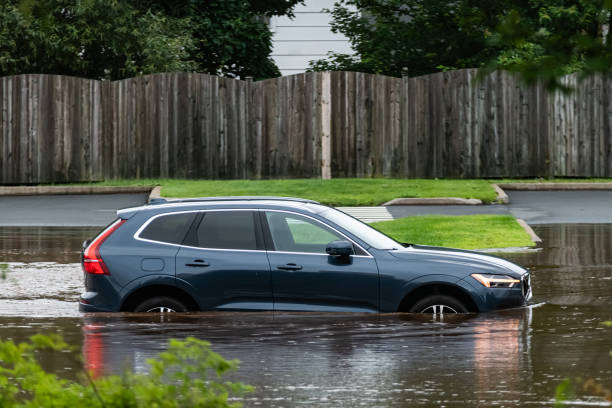
Heavy rains and cyclones can lead to sudden flash flooding, particularly in northern and eastern Australia. Floods can cause widespread damage, cut off roads, and make it impossible to access essential services. In flood-prone areas, having a kit with waterproof bags for important documents and portable water filters is crucial to ensure you’re prepared for contaminated water supplies.
Extreme Heatwaves
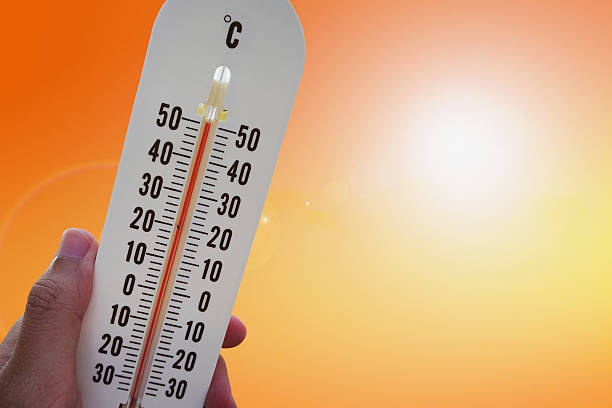
Australia frequently experiences extreme heat waves, especially in summer, which can pose serious health risks like dehydration, heat exhaustion, and heatstroke. Heatwaves can also lead to power outages, leaving homes without air conditioning. During these times, staying hydrated is critical, and having supplies such as water and electrolyte tablets in your survival kit can help you avoid the dangerous effects of extreme heat.
Medical Emergencies in Remote Areas
Australia’s vast and sparsely populated regions mean that if you’re travelling or living in remote areas, medical help might not be available for hours. Injuries, snake bites, and other emergencies can become life-threatening without immediate attention. A survival kit with a first aid kit, emergency supplies, and a way to signal for help (such as a whistle or signal mirror) is essential for anyone venturing into remote parts of the country.
Must-Have Items for Your Survival Kit
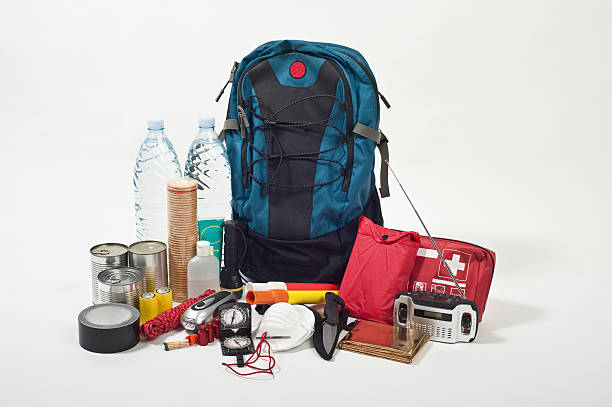
Building a survival kit involves considering the essentials that will help you stay self-sufficient for at least 72 hours. Here are the must-have items for your kit.
Water and Hydration Essentials
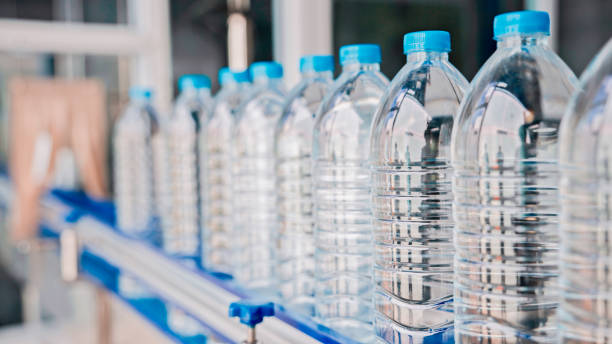
Water is your top priority in any emergency. It would be best to have enough to last at least three days, with the general guideline being 3-4 litres of water per person per day. Pack water purification tablets or a portable water filter to ensure access to safe drinking water if supplies run low or are contaminated.
Non-Perishable Food Supplies
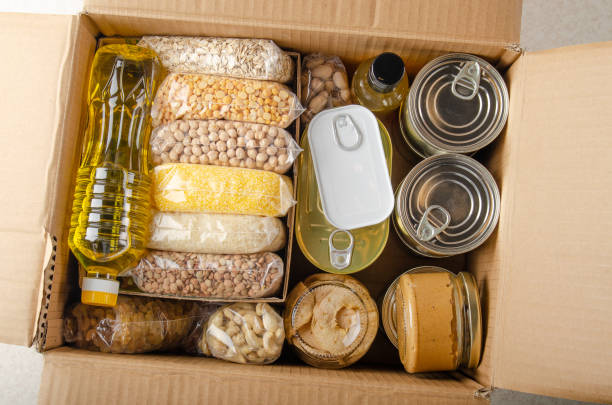
Your survival kit should include various non-perishable food items requiring little preparation. Canned goods, energy bars, dried fruits, and nuts are good options. Pack a manual can opener and choose foods with a long shelf life. Foods high in protein and calories will help sustain energy during a crisis.
First Aid Kit
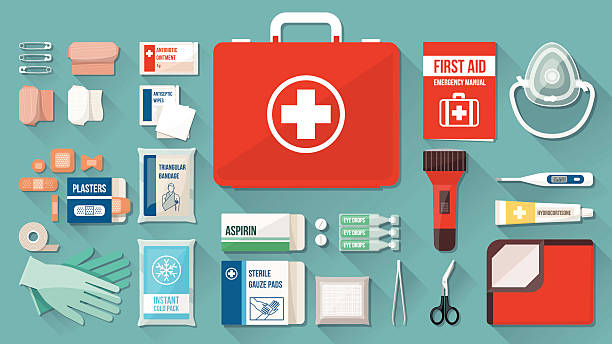
A first aid kit is essential for treating minor injuries and providing care while waiting for professional help. Your kit should include:
- Bandages and gauze
- Antiseptic wipes and ointment
- Pain relievers and any essential medications
- Tweezers and scissors
- Thermometer
- CPR mask
- EpiPen (if anyone in the family has severe allergies)
Basic first aid knowledge is equally important, allowing you to use these supplies effectively in an emergency.
Tools and Emergency Supplies
Your survival kit should also include essential tools to help you manage various challenges during an emergency:
- Multi-tool or knife: For cutting, repairing, or opening items.
- Flashlight and extra batteries: In case of power outages or when navigating in the dark.
- Whistle: To signal for help if needed.
- Portable phone charger: To keep communication lines open.
- Blankets or sleeping bags: Stay warm if you need to leave your home or shelter outside.
- Plastic bags or tarps: For emergency shelter or to protect valuables from water damage.

Essential Documents and Emergency Contacts
In evacuation, it’s crucial to have copies of essential documents such as identification, insurance policies, and medical records in waterproof bags. Also, keep a list of emergency contacts, including family members, local emergency services, and neighbours. This can help you stay connected and ensure others know about your situation.

Why First Aid Is Critical in Australian Emergencies
First aid skills can differentiate between life and death in an emergency. In Australia, where distances between medical facilities can be significant, knowing how to treat injuries, administer CPR, or handle an allergic reaction can save lives.
For example, if you’re hiking and someone in your group is bitten by a snake, immediate first aid is crucial to slow the spread of venom until help arrives. Likewise, in remote areas where bushfires or floods make it difficult for emergency services to reach you, administering first aid can stabilize injuries and prevent conditions from worsening.
Our organization, CPR First Aid, offers first aid courses across Australia. From first aid training, a CPR refresher course, and even childcare first aid courses, CPRFA has many beneficial courses for you to take. Completing one of these courses will ensure you’re prepared to use the items in your survival kit effectively.
Maintaining and Updating Your Survival Kit
Once you’ve assembled your survival kit, keeping it updated is essential. Regularly check the expiration dates on food, water, and medications and replace expired or used items. You should also review your kit every six months to ensure it meets your household’s current needs.
If you’ve moved to a different part of Australia or your family’s needs have changed, update your kit accordingly. For example, if you move from a flood-prone area to a bushfire-prone region, you may need to add fire blankets or smoke masks to your kit.
Conclusion
In Australia, where emergencies can strike with little warning, having a survival kit is essential for staying prepared and self-sufficient. Whether facing a bushfire, flood, or medical emergency in a remote area, the right supplies can help you manage the situation until help arrives. Along with your kit, first aid training ensures you can act quickly and effectively in an emergency. By assembling and maintaining a survival kit tailored to your needs, you’re giving yourself the best possible chance of staying safe during Australia’s unpredictable conditions.