

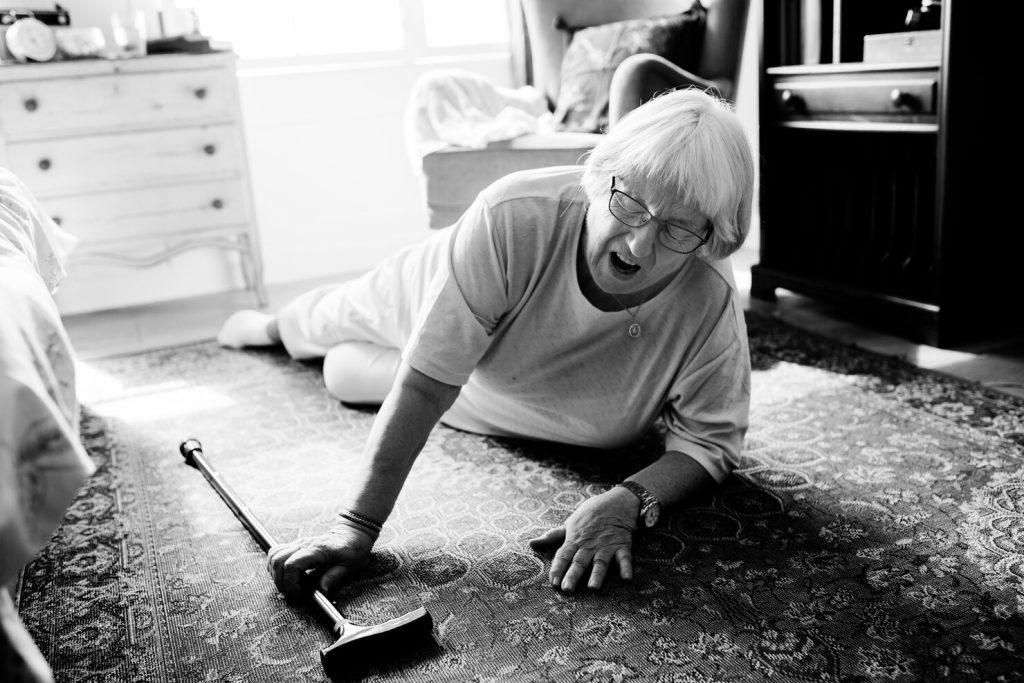
Falls are a major health concern for older Australians and remain one of the leading causes of injury, hospitalisation, and loss of independence among people aged 65 and over. Australian data consistently shows that around 30 to 40% of older adults experience at least one fall each year, with the risk increasing significantly with age. Many of these incidents result in fractures, head injuries, or long-term mobility problems that can profoundly affect quality of life.
Knowing how to respond immediately after a fall, how to monitor for delayed symptoms, and how to reduce future risks plays a vital role in keeping elderly Australians safe at home, in the community, and in aged-care settings. This guide explains why falls occur, outlines post-fall response and management, and aligns first aid actions with current Australian best-practice approaches, including the 2025 national Falls Guidelines.
Why Elder Falls Matter in Australia
Falls are not just minor accidents. In Australia, they are one of the most common reasons older people attend emergency departments and are admitted to hospital. Hip fractures, wrist fractures, spinal injuries, and traumatic brain injuries frequently follow a fall, often leading to prolonged recovery or permanent disability.
The 2025 Australian Falls Guidelines emphasise that falls are preventable in many cases through early risk identification, appropriate first aid responses, and targeted prevention strategies. They also highlight the importance of prompt assessment after every fall, even when injuries appear minor, as delayed complications are common in older adults.
Risk Factors & Initial Assessment
Understanding why a fall occurred is just as important as treating the injuries. Risk factors are generally divided into intrinsic (personal) and extrinsic (environmental) causes.
Intrinsic Risk Factors
These are factors related to the individual:
- Weakened muscles and balance issues: Ageing naturally reduces strength, coordination, and reaction time.
- Chronic health conditions: Arthritis, osteoporosis, Parkinson’s disease, diabetes, and cardiovascular conditions can affect movement and stability.
- Vision problems: Reduced eyesight or depth perception may cause misjudging steps, curbs, or uneven surfaces.
- Medications: Some medications can cause dizziness, drowsiness, or drops in blood pressure, increasing fall risk.
Extrinsic Risk Factors
These relate to the environment:
- Slippery floors and loose rugs
- Poor lighting, especially in hallways, bathrooms, and outdoor paths
- Cluttered walkways and electrical cords
- Inappropriate footwear without proper grip or support
Using SPLATT to Understand the Fall
A structured way to assess what happened is the SPLATT approach:
- Symptoms before the fall (dizziness, chest pain, weakness)
- Previous falls or medical history
- Location and environment
- Activity at the time of the fall
- Time spent on the ground
- Trauma or injuries noted
This information is valuable for post-fall management and future prevention planning.
Immediate First Aid Response
Quick, calm, and careful action can prevent further injury and reduce complications.
DRSABCD Procedure for Falls
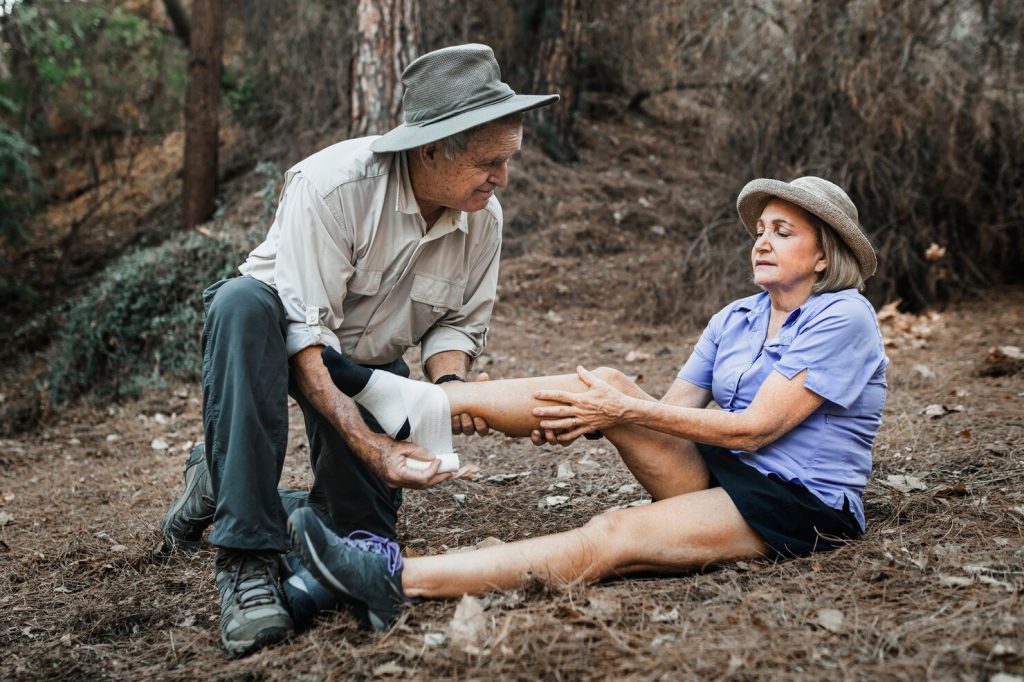
When responding to a fall, follow the DRSABCD action plan:
- Danger – Ensure the area is safe for you and the person.
- Response – Check if they are conscious and responsive.
- Send for help – Call Triple Zero (000) if required.
- Airway – Ensure the airway is clear.
- Breathing – Check normal breathing.
- CPR – Start CPR if not breathing normally.
- Defibrillation – Use an AED if available.
Linking first aid responses with CPR knowledge is why many carers and families choose to complete a CPR course alongside general first aid training.
How to Check for Injuries
- Stay calm and reassure the person.
- Ask if they feel pain, dizziness, or nausea.
- Look for visible injuries such as bleeding, swelling, or bruising.
- Check whether they can move limbs without severe pain.
- Do not rush to move them if a serious injury is suspected.
Providing First Aid for Common Injuries
- Minor cuts or scrapes: Clean with water, apply antiseptic, and cover with a sterile dressing.
- Bruises or swelling: Apply a cold compress wrapped in a cloth to reduce swelling.
- Bleeding: Apply gentle but firm pressure with a clean cloth or bandage. Seek urgent medical help if bleeding does not stop.
For carers wanting more confidence with wound care, bleeding control is covered in detail in accredited first aid courses for aged care and community settings.
When to Call Triple Zero (000)
Call 000 immediately if:
- The person is unconscious, confused, or not breathing normally.
- There are symptoms of a head injury, such as dizziness, vomiting, severe headache, or confusion.
- A fracture is suspected due to severe pain, deformity, or inability to move.
- There is heavy bleeding that does not stop with pressure.
Early emergency intervention can significantly improve outcomes for elderly fall victims.
Safely Helping an Elderly Person Get Up (Only If Injury-Free)
Only assist someone to get up if they have no pain, no dizziness, and no signs of injury.
Step-by-step:
- Encourage them to remain still and take a few deep breaths.
- Help them roll onto their side and rest briefly.
- Guide them onto their hands and knees.
- Support them as they use a sturdy chair or couch to rise slowly.
- Allow them to sit and rest before standing fully.
Never lift forcefully. If there is any doubt about injury, keep them comfortable and seek medical help.
Post-Fall Monitoring & Follow-Up
Some injuries do not appear immediately. Ongoing monitoring is essential.
What to Watch For
- Increasing pain or swelling hours after the fall
- Dizziness, confusion, or excessive drowsiness
- Signs of internal injury, such as vomiting or severe bruising
- Reduced mobility or fear of walking
Follow-Up Actions
- Keep the person warm and comfortable.
- Encourage medical review, even after minor falls.
- Document the fall details and update their fall-risk plan in line with the 2025 Falls Guidelines, especially in aged-care or community support settings.
Preventing Future Falls
Prevention is the most effective way to reduce injury risk.
Home Safety Modifications
- Remove loose rugs, clutter, and trip hazards.
- Install grab bars in bathrooms and near stairs.
- Improve lighting throughout the home.
- Use non-slip mats in bathrooms and kitchens.
Strength & Balance Exercise
There are several elderly exercises for balance and strength. Regular activity improves stability and confidence:
- Tai Chi, yoga, and walking help maintain balance.
- Aim for 2 to 3 hours per week of strength and balance exercises.
- Hydrotherapy is beneficial for arthritis or joint pain.
Many community centres across Australia offer senior-friendly programs designed specifically for fall prevention.
Medication, Vision & Footwear
- Review medications regularly with a GP or pharmacist.
- Schedule routine vision checks.
- Encourage supportive, non-slip footwear indoors and outdoors.
Additional Supports
- Personal alarms or fall-detection devices
- Hip protectors in aged-care settings
- Vitamin D and calcium supplementation when clinically recommended
Why First Aid Training Matters
Falls can happen anywhere and at any time. First aid training gives carers, family members, and support workers the confidence to respond correctly, reduce harm, and recognise when emergency help is needed. It also supports safer decision-making and aligns with legal and duty-of-care expectations in aged-care and community environments.
Completing accredited first aid courses focused on elderly care, alongside CPR training, ensures responders are prepared for both minor incidents and life-threatening emergencies.
Related CPR First Aid Courses & Resources
For those caring for older Australians, further education can make a meaningful difference:
- CPR training for emergency preparedness
- Childcare first aid courses, relevant for multigenerational carers
- Practical guides on bleeding control and injury management
These courses help build safer homes, workplaces, and communities.
Frequently Asked Questions
When Should I Call 000 After a Fall?
If there is unconsciousness, head injury symptoms, severe pain, suspected fractures, or uncontrolled bleeding, call immediately.
Can a Minor Fall Cause Serious Injury Later?
Yes. Head injuries and internal bleeding may develop hours or days later, especially in older adults.
Is it Safe to Help an Elderly Person Up After a Fall?
Only if they are pain-free, alert, and show no signs of injury. Otherwise, keep them still and seek help.
Conclusion
Falls in the elderly are common in Australia, but many injuries can be prevented or minimised with the right knowledge and preparation. Understanding first aid for elderly falls in Australia, responding calmly after an incident, monitoring for delayed symptoms, and addressing fall risks at home all contribute to safer ageing.
With appropriate first aid training and awareness of current Australian guidelines, families and carers can better protect older Australians and support their independence and wellbeing.