
- Herbs as Alternative First Aid: Certain herbs, including aloe vera, calendula, gotu kola, propolis, lavender, chamomile, tea tree, and thyme, may support minor burn and wound healing.
- Aloe Vera Gel: Can soothe and aid healing of minor burns; apply 3–4 times daily. Caution: May cause allergies or anaphylaxis; patch test recommended.
- Calendula (Calendula officinalis): Soothes burns and promotes healing due to antioxidant properties. Steep flowers for topical or diluted tea use.
- Gotu Kola (Centella asiatica): Strengthens skin and improves blood supply to burns. Available as tea, capsules, or standardized extracts; may cause redness or itchiness.
- Propolis: Has anti-inflammatory, antimicrobial, and collagen-promoting properties for burn management. Risk: Allergic reactions in people sensitive to bee products.
- Lavender & Chamomile: Promote wound healing by reducing inflammation, supporting tissue regeneration, and protecting against infection. Use diluted oils or compresses.
- Tea Tree Oil & Thyme: Offer antimicrobial and healing support for minor wounds. Should be diluted and patch-tested to prevent skin irritation.
- Herb Availability in Perth: Most of these herbs can be grown locally or purchased as oils, gels, or powders from garden centres and online suppliers.
- Safe Application: Always clean wounds or burns first, apply herbs in diluted form if used, dress appropriately, and monitor for infections or allergic reactions.
- Precautionary Advice: Patch tests and consultation with a health professional are essential to avoid severe allergic reactions, including anaphylaxis.
Have you heard that you use herbs for minor burns and wounds first aid as an alternative? It may come as a traditional or unproven claim to some. However, multiple studies show that some herbs may help treat minor burns and even help wounds heal from the compounds they contain. If you are curious about these herbs and where to find them in Perth, continue reading below.
Herbs as Alternative Minor Burn First Aid
St. Luke’s Hospital mentions that the following herbs may be used to treat minor burns:
- Aloe (Aloe vera gel).
- Calendula (Calendula officinalis).
- Gotu kola (Centella asiatica).
- Propolis.
The same site emphasizes that these herbs may only be added to first-aid practices involving minor burns.
Aloe Vera Gel as a Minor Burn First Aid
Information on how aloe vera gel may be a minor burn first aid is explained in an article discussing aloe vera’s natural remedies for the skin.
How to Use Aloe Vera Gel as a Minor Burn Aid?
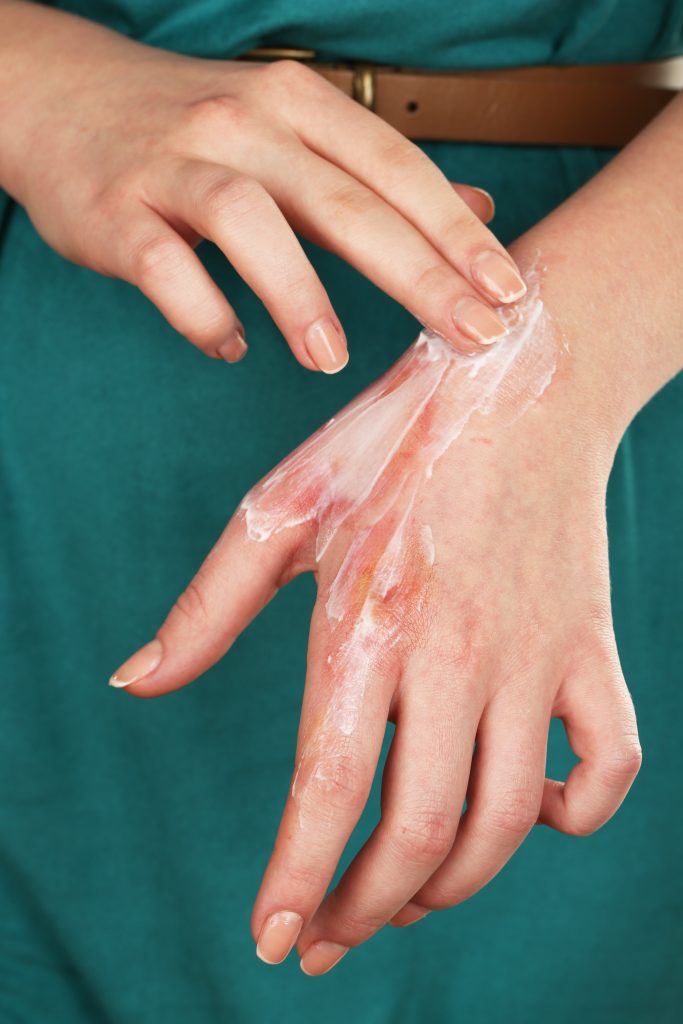
After performing the necessary first aid steps, aloe vera gel may be applied externally to the burned area 3-4 times daily. This herb may help soothe and heal a minor burn.
Risks of Using Aloe Vera Gel as a Minor Burn First Aid
If the aloe vera gel is obtained directly from the plant, there is physical contact with its leaves. These contain latex, which may be an allergen to some people. Such allergen may cause a person to experience the following allergic reactions, according to NDTV:
- Irritation.
- Stomach cramps.
- Low potassium levels.
Anaphylaxis, a more severe allergic reaction, may be life-threatening if first aid treatment is not applied. It is one of the many emergencies covered in a first aid course at 123C Colin St West Perth 6005, where first aid training is provided on responding correctly.
In addition, some people may also be allergic to the aloe vera gel itself and may experience the following:
- Skin allergies.
- Redness in the eyes.
- Skin rashes.
- Irritation.
- Burning sensation.
Doing a patch test before using aloe vera gel as a minor burn first aid may help determine if you have an allergy to it and latex (acquired from the leaves).
Calendula (Calendula officinalis) as a Minor Burn First Aid
Calendula (Calendula officinalis) effectively treats minor burns, soothing them and promoting healing. In fact, in one of the National Library of Medicine‘s articles, the extract of this herb is said to be an antioxidant both in vitro and in vivo, which may contribute to its effectiveness for burn injury.
How can Calendula (Calendula officinalis) be used as a minor burn first aid?
Below are the recommended steps for getting an extract from this herb:
- Steep one teaspoon of flowers in 1 cup of boiling water for 15 minutes.
- Strain.
- Let it cool.
For tea, the suggested mixture is 1/2 to 1 teaspoon of diluted extract in 1/4 cup of water.
Risks of Using Calendula (Calendula officinalis) as a Minor Burn First Aid
WebMD lists the following potential dangers of using the tea of this herb as a minor burn first aid:
- Mild irritation.
- Allergic reaction.
- Unexpected interactions if taken with sedatives.
The same site suggests further research to determine if this herb is safe for pregnant or breastfeeding women.
Gotu kola (Centella asiatica) as a Minor Burn First Aid
Gotu kola has been used to treat many conditions, like minor burns, for thousands of years now, as mentioned in Mount Sinai. The same site states that this herb contains triterpenoid chemicals that strengthen the skin and increase blood supply to the burned area.
How can you use Gotu kola (Centella Asiatica) as a minor burn first aid?
According to this website, this herb may be used in the following forms:
- Tea from the dried leaf.
- Powdered herbs are made in capsules.
- Standardized extract.
The powdered herb and standardized extract are available commercially in stores in Perth. Such stores and brands provide instructions on how to use them for minor burns.
Risks of Using Gotu Kola (Centella Asiatica) as a Minor Burn First Aid
Although this herb may be safe for up to 10 weeks, it may cause itchiness and redness, according to this site.
Propolis as a Minor Burn First Aid
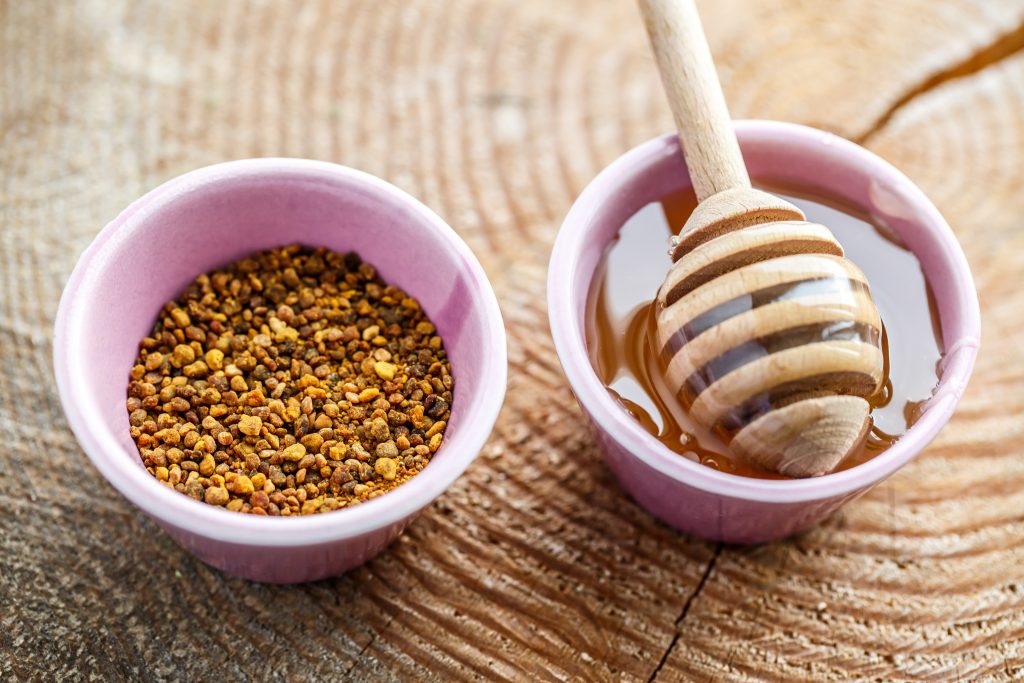
Honeybees produce propolis, and it contains the following properties as listed in this study:
- Anti Allergy.
- Anti-inflammation.
- Antimicrobial.
- Promotion of collagen synthesis.
These may contribute to why Propolis is considered an excellent candidate for burn management, as cited in BioMed Central‘s article.
How to Use Propolis as a Minor Burn First Aid?
In this study, an ample amount of propolis skin cream was applied to the minor burn. It was then applied with a dressing, a first-aid process taught by an accredited first-aid course provider in Perth. Both were done every three days, resulting in positive results. The exact process may be followed to treat minor burns at home, especially if necessary first aid kit items are available to conduct the dressing.
Risks of Using Propolis as a Minor Burn First Aid
According to the National Library of Medicine, there have been reports of allergic reactions, including angioedema and anaphylaxis, after using commercial sources of propolis. Such reactions may occur more possibly in people who have allergies to bee products.
Herbs as Alternative Minor Wound First Aid
The following are some of the herbs listed in the Herbal Medicine book which may help in the management of minor wounds:
- Lavender
- Chamomile
- Tea Tree
- Thyme
Such herbs induce healing and tissue regeneration, which significantly helps treat minor wounds.
Lavender as a Minor Wound First Aid
The conclusion of this research states that the oil of lavender may potentially promote the healing of wounds in the early phase by:
- Forming the granulation tissue.
- Remodelling tissue by collagen replacement.
- Contracting the wound.
For these reasons, this herb may complement conventional wound treatments, as the same study stated.
How to Use Lavender as Minor Wound First Aid?
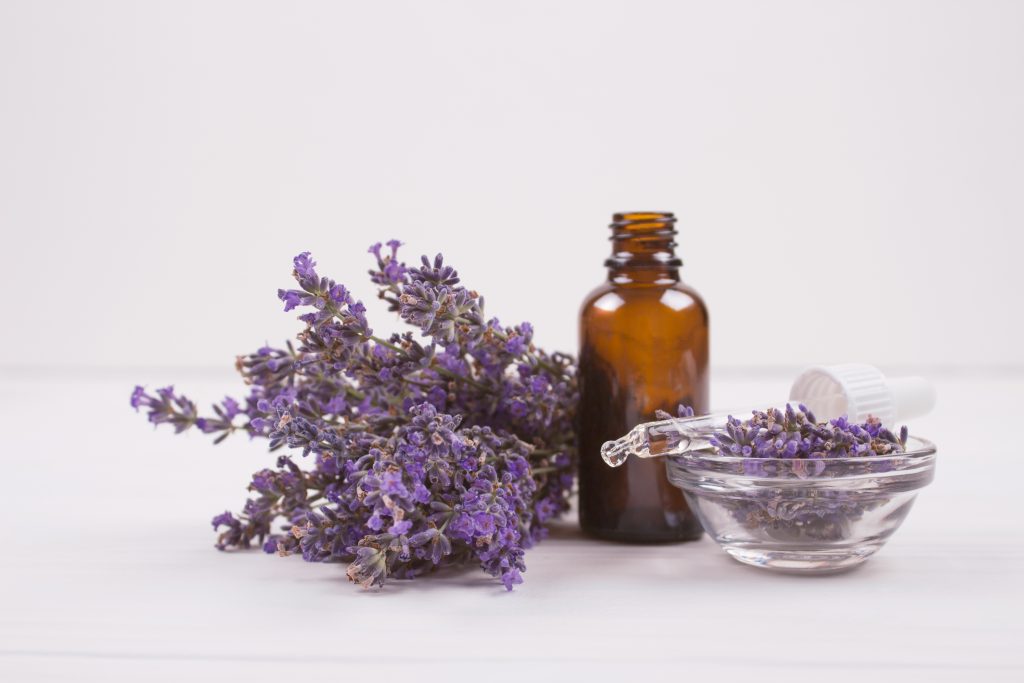
Healthline suggests mixing 3-4 drops of lavender oil with a few drops of coconut or tamanu oil. Then, using a cotton ball, apply the mixture to the minor wound.
Risks of Using Lavender as Minor Wound First Aid
Skin irritation may be a possible side effect of using this herb as a minor wound treatment.
Chamomile as a Minor Wound First Aid
If applied topically, chamomile may speed up the wound healing by:
- Killing viruses and bacteria that may infect a minor wound.
- Reducing inflammation.
- Preventing and treating the growth of ulcers.
Ulcers are open sores caused by poor blood circulation that may become infected if first aid management is not done correctly. If this occurs, it may lead to a painful skin ulcer.
How to Use Chamomile as a Minor Wound First Aid?
In a study mentioned on this site, a chamomile compress applied for an hour once a day helped treat wounds. As suggested by Healthline, such a compress may contain 1 to 2 drops of diluted chamomile oil.
Risks of Using Chamomile as a Minor Wound First Aid
The National Center for Complementary and Integrative Health lists the following possible side effects of using this herb:
- Nausea.
- Dizziness.
- Allergic reactions.
A few cases of severe allergic reactions (anaphylaxis) were also reported.
Tea Tree as a Minor Wound First Aid
An article in the American Journal of Infection Control stated that tea tree oil has been effective as an additional wound treatment in case studies and small clinical trials. It may be due to its following properties:
- Antimicrobial.
- Anti-inflammatory.
- Activates monocytes (white blood cells that destroy germs and eliminate infected cells).
The same article states that this herb has been used for centuries as a botanical medicine.
How to Use Tea Tree as a Minor Wound First Aid?
According to this, one drop of tea tree oil may be added to a wound ointment cream. This comes with instructions on how often it may be applied to a minor wound, which may be the same even if added with the tea tree oil.
Risks of Using Tea Tree as a Minor Wound First Aid
As mentioned on this website, skin irritation and swelling may be possible side effects of using this herb for minor wounds.
Thyme as a Minor Wound First Aid
Topically applied oil of thyme is said to significantly contribute to the efficiency of wound healing, as mentioned in one of this book’s chapters. This book compiled different studies made on thyme oil, which have resulted in finding out such herb is:
- Effective in antibacterial and antifungal activities.
- Increases the deposition of collagen (which is essential in wound repair)
- Supports angiogenesis (development of new blood vessels).
- Enhances keratinocyte migration (closing of a wound).
As stated in the book, these make thyme oil effective in facilitating wound healing.
How to Use Thyme as a Minor Wound First Aid?
This mentions mixing 3-5 drops of diluted thyme oil with 2-3 cups of carrier oil. However, it is for another condition. So, if used for minor wounds, it may be best to talk to a doctor first, especially since it may have side effects.
Risks of Using Thyme as a Minor Wound First Aid
According to Healthline, allergic reactions like contact dermatitis and hay fever may be experienced after using this herb for minor wounds. This may occur for people who also have allergies to mint (aside from those allergic to thyme and thyme oil).
Where to Find Herbs for Minor Burn and Wounds First Aid?
Fortunately, due to the soil and weather, many of these herbs are said to flower most of the year in Perth. So, planting them may be an option for first aid and garden beautification. Seeds and grown plants are available in any of the garden centres in Perth, like the Guilford Garden Centre. At the same time, these herbs’ extracted oil and encapsulated powders are also available commercially from various suppliers and online shops that deliver to Perth.
When should the Herbs be applied as a Minor Burn and Wounds First Aid?
It is highly advised to do a patch test first and seek advice from a health professional before using any herbs for minor burns and wounds first aid. It involves steps; in some, a herb is used instead of antibiotic treatment or lotion. Another step may be added specifically for applying the herbs (in diluted oil, gel, or powdered form). The same is true for many of the research and studies mentioned above.
Applying Herbs as a Minor Burn First Aid
One article outlines how to treat different types of burns, including minor burns (which may also be called first-degree burns). It mentions the below first aid process, wherein an herb may be used instead of antibiotic treatment in the third step or as a lotion in the fourth step.
- With running water, cool the burn for a minimum of 10 minutes.
- Remove any tight clothing and accessories that cover/hinder the minor burn from being treated.
- If there is any broken blister, clean it with water and apply an antibiotic treatment.
- To prevent drying, apply lotion.
- Bandage the minor burn.
- If necessary, take a nonprescription pain reliever.
Some of these steps are also involved in the first aid management of minor wounds.
Applying Herbs as a Minor Wound First Aid
Here’s how you can use herbs as a minor wound first aid:
- Wash your hands thoroughly.
- Clean the minor wound and the area around it using first aid tools.
- Protect the wound from infection by dressing it.
- Change the dressing as needed.
- Monitor the wound for possible infections.
Step 2 may be followed by applying a diluted oil, gel, or powder of any herb mentioned above to the minor wound before dressing it.
Conclusion
Multiple studies and research conclude that certain herbs may be used as first aid to minor burns and wounds. Many of these may be planted and grown in Perth for the city’s soil and weather. Such herbs may also come in gel, diluted oil, and powder as commercially available products.
However, usage of these may cause side effects and trigger allergies, including anaphylaxis, which may be life-threatening if not responded to with proper first aid.
Therefore, it is advised to do a patch test and seek advice from a health professional before adding these herbs to your first aid management in minor burns and wounds.
Frequently Asked Questions (FAQ)
Can herbs really help with minor burns and wounds?
Yes. Research shows that certain herbs like aloe vera, calendula, chamomile, and tea tree oil may support healing for minor burns and wounds. They can help reduce inflammation, soothe pain, and protect against infection.
However, they are not substitutes for professional medical care.
Which herbs are best for minor burns?
Aloe vera, calendula, gotu kola, and propolis are some of the most recommended herbs for minor burn first aid. They may help cool the skin, reduce inflammation, and promote healing.
Which herbs can help minor wounds heal faster?
Lavender, chamomile, tea tree oil, and thyme are often used in minor wound first aid because of their antimicrobial and healing properties.
Is calendula safe for children?
Yes, calendula is usually safe for children when used on the skin in creams or ointments. It can help soothe minor burns, rashes, or cuts.
Some kids may be allergic, especially if they react to plants like marigolds or ragweed. Always do a patch test first and check with a doctor before regular use.
Are there any risks to using herbs on burns or wounds?
Yes. Some herbs can cause allergic reactions, irritation, or even anaphylaxis in sensitive individuals. For example, aloe vera may trigger skin allergies, and propolis may cause reactions in people allergic to bee products. Always do a patch test and consult a healthcare professional before use.
Can I grow these herbs at home in Perth?
Yes. Many of these herbs grow well in Perth’s climate. You can plant them in your garden or buy them as oils, gels, or powders from garden centres and online suppliers.
How should herbs be applied as first aid?
Always follow basic first aid steps first (clean the wound, cool the burn, remove tight clothing, etc.). Then, apply herbs in diluted oil, gel, or powder form. Never apply undiluted essential oils directly to the skin.
When should I seek medical help instead of using herbs?
Seek medical care immediately if the burn or wound is:
- Larger than a 20-cent coin
- Deep or blistered
- On the face, hands, genitals, or joints
- Showing signs of infection (swelling, pus, fever)
For serious burns or wounds, always call 000 or go to the nearest emergency department.