
Key Takeaways – Shingles in Australia
-
Shingles (herpes zoster) is caused by the varicella-zoster virus, the same virus responsible for chickenpox, and can reactivate later in life.
-
Symptoms include painful rashes, blisters, itching, and sensitivity to light, with the rash usually forming on one side of the body.
-
Shingles is not directly contagious, but contact with blisters may transmit chickenpox to someone without prior immunity.
-
First aid for shingles focuses on symptom relief, such as using clean cold compresses to ease pain and itching.
-
Treatment often involves antiviral medication, pain relievers, and soothing creams to shorten illness duration and prevent complications.
-
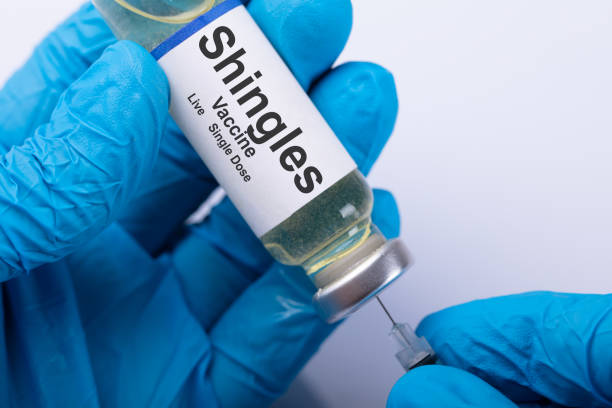
Vaccination is the best prevention against shingles, recommended for adults aged 50+ and immunocompromised individuals in Australia.
-
The shingles vaccine (Shingrix) is free under the National Immunisation Program (NIP) for eligible high-risk groups, including people aged 65+, First Nations Australians aged 50+, and immunocompromised adults.
-
Healthy lifestyle habits—balanced diet, exercise, sleep, and stress management—strengthen immunity and help reduce shingles risk.
-
Common myths about shingles include the belief that only older people can get it or that it can only occur once—in fact, recurrence is possible.
-
Recognising early symptoms and seeking medical care promptly helps manage shingles effectively and lowers the chance of long-term nerve pain.
According to the Australian Government Department of Health and Aged Care, shingles are triggered by the varicella-zoster virus, which causes chickenpox. If you’ve had chickenpox in the past, the virus remains dormant in your nerve cells and can reactivate later in life as shingles.
What are Shingles?
Shingles, also known as herpes zoster, is a viral infection that causes a painful and blistering rash. It can affect the chest, neck, abdomen, face, ear canal, and central nervous system.

What Do Shingles Look Like?
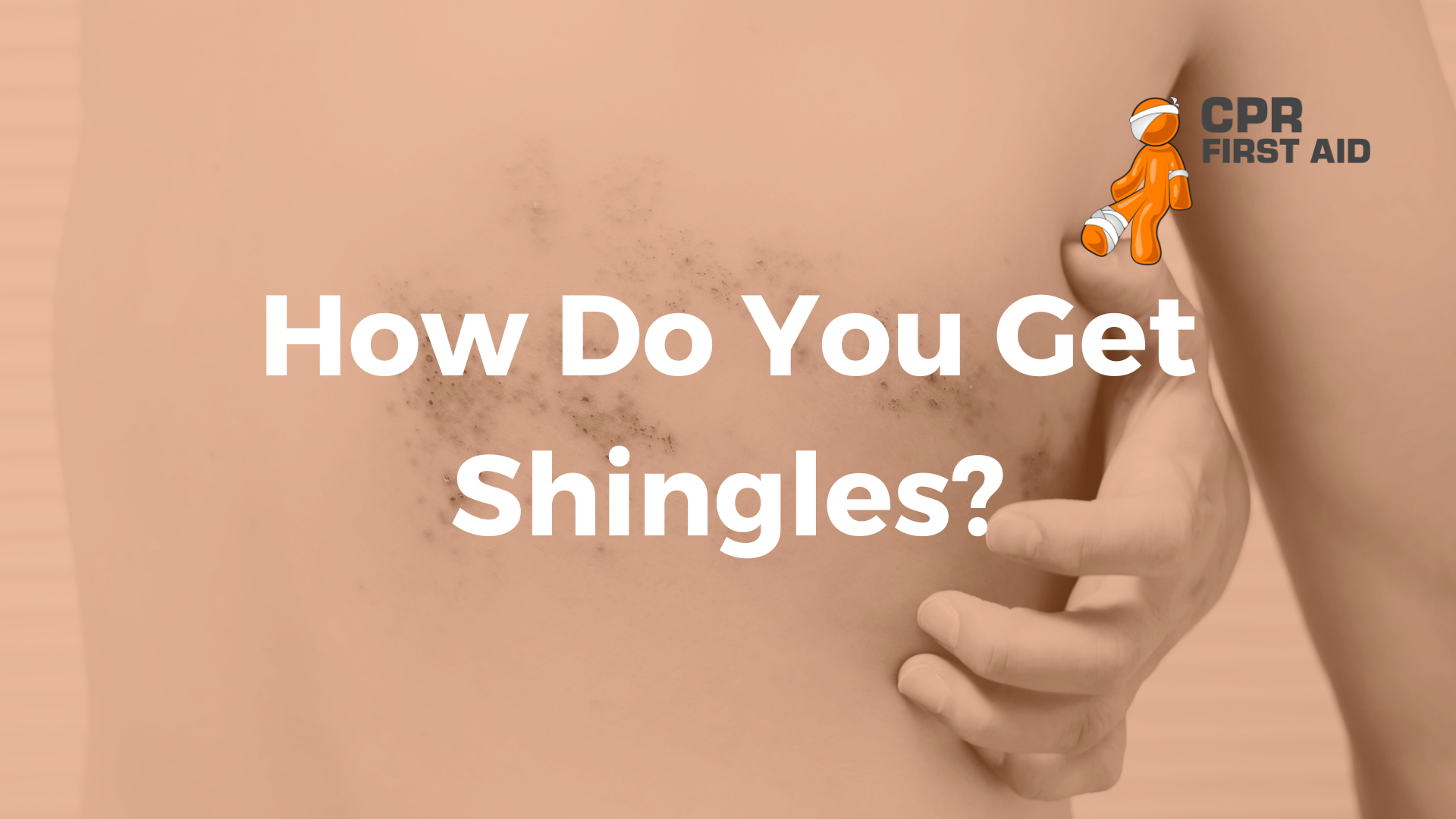
Shingles usually appear as a rash with fluid-filled blisters. It often shows up on one side of your body, following the path of a nerve. The rash can form a stripe of blisters around your belly or face. These blisters can be sore and sometimes turn into scabs.
- Rashes that are usually red or pink
- Fluid-filled blisters
- Forms a single stripe around the torso or face
- Grouped in patches
- Tender that may cause discomfort and itching
Are Shingles Contagious?
According to Know Shingles, a health awareness campaign sponsored by GSK Australia, it cannot be passed from one person to another because the virus that reactivates is already inside a person’s body. However, if someone who hasn’t had chickenpox or isn’t immune touches the blisters of a person with shingles, they could get chickenpox.
What are the Symptoms of Shingles?
The primary and most common symptoms of shingles are:
- Pain, burning, or tingling sensation
- A rash
- Fluid-filled blisters after 2-3 days of developing a rash
- Itching
- Fever
- Headache
- Trouble with bright lights
What is the First Aid for Shingles?
First aid for shingles only aims to manage the symptoms, and it depends on the severity of the case. Usually, a clean cold compress on the area is recommended to help with the itching and pain.
What are the Treatment Options for Shingles?
Shingles, like many other skin conditions, are very treatable. Doctors can give a person medicine to help with shingles. This might include antiviral drugs to reduce the rash and pain relievers to help with discomfort. Creams can also help soothe the rash, and keeping it clean can prevent infections.
How to Prevent Getting Shingles?
Below are some of the ways you can observe to prevent you and your family from getting shingles:
Vaccination in Australia
One of the best ways to avoid shingles is by getting vaccinated. Based on the Australian Immunisation Handbook, shingles vaccination is recommended for specific groups, including:
- People aged 50 years old and older
- Immunocompromised aged 18 years and older
- people aged 50 years and older who live in the same household as someone who has a weakened immune system
Healthy Lifestyle
In addition to vaccinations, maintaining a healthy lifestyle can lower your risk of developing shingles. This includes:
- Eat a balanced diet with plenty of fruits, vegetables, and whole grains
- Exercise regularly
- Get enough sleep to support your immune system
- Manage stress through relaxation techniques like deep breathing or meditation
Is the Shingles Vaccine in Australia Free?
Under the National Immunisation Program (NIP), eligible individuals at higher risk of complications can receive the shingles vaccination for free. The immunisation, known as Shingrix, is administered in two doses and is available at no cost for the following groups:
- Individuals aged 65 years and above
- First Nations individuals aged 50 years and above
- Immunocompromised individuals aged 18 years and above who have specific medical conditions, including:
- Those who have undergone haematopoietic stem cell transplant
- Individuals who have had a solid organ transplant
- Those diagnosed with haematological malignancy
- People with advanced or untreated HIV infection.
Myths About Shingles
Although we live in the digital age, misconceptions about shingles are widespread, contributing to confusion and unnecessary concern. Web MD lists down some of the most common myths about shingles, and include:
- Only older people can get shingles.
- Shingles are rare.
- Shingles is not contagious.
- Chickenpox and shingles are the same.
- You can’t get shingles more than once.
Conclusion
Shingles, caused by the varicella-zoster virus, are a painful condition that can affect anyone who has had chickenpox. Recognizing the symptoms of shingles, understanding available treatments, and adopting preventive measures are vital steps in safeguarding one’s health against this illness. While undergoing first aid or CPR training will have no direct effect with managing shingles, the skills learned there will no doubt be beneficial in other instances. Furthermore, the training will instill within you a sense of helping and providing care to anyone in need. Enrol in a course today.