

Here are SEO-optimised key takeaways (max 10 bullets) following your assistant rules:
Ear fluids or discharge can be uncomfortable and may result in severe complications if not treated correctly. Knowing how to safely manage and drain ear fluid is crucial to relieving symptoms and avoiding further issues. This guide will cover effective home remedies, first aid, over-the-counter treatments, and preventive strategies to help you address otorrhea with confidence and care.

What is an Ear Fluid?
According to Healthdirect.com, Australia’s national virtual public health information service, ear discharge or fluid is also called otorrhea. It is the drainage of any substance from the ear.
Sometimes, it is caused by ear wax coming out of the ear, but sometimes, it is caused by an ear infection or injury.

What are the Causes of Ear Fluid?
There are several causes of ear fluids or ear discharge. These include:
Ear Infections
Ear infections, especially those affecting the middle ear, are a leading cause of ear fluid, known as otitis media. These infections can cause inflammation and fluid accumulation in the middle ear. Children are particularly susceptible to ear infections because their eustachian tubes are shorter and more horizontal, making fluid drainage less effective.
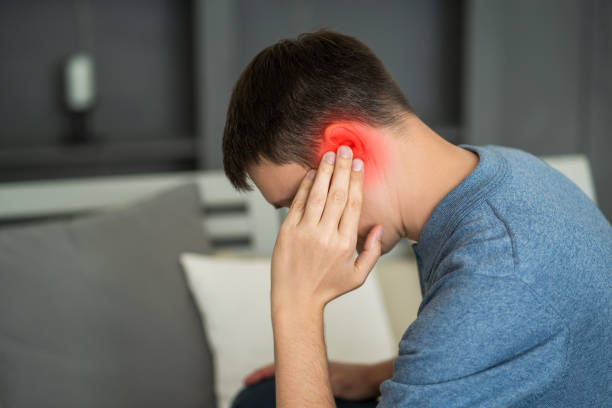
Allergies
Allergies can cause inflammation and congestion in the nasal passages and eustachian tubes, leading to fluid accumulation in the middle ear. Seasonal allergies, pet dander, and dust mites are common allergens that can contribute to ear fluid or ear discharge.

Eustachian Tube Dysfunction
The eustachian tube connects the middle ear to the back of the throat and helps equalize ear pressure and drain fluid. Dysfunction of this tube due to anatomical issues or blockages can prevent proper fluid drainage, resulting in ear fluid accumulation.

Sinus Issues
Sinus infections or chronic sinusitis can lead to inflammation and blockage of the eustachian tube, causing fluid to build up in the middle ear. Managing sinus problems can help prevent ear fluid issues.

What are the Signs and Symptoms of an Ear Fluid?
The symptoms of ear fluid for both adults and children can vary but commonly include:
- A feeling of fullness or pressure in the ear
- Hearing difficulties or muffled hearing
- Ear pain or discomfort
- Balance problems or dizziness
- Tinnitus (ringing in the ear)
Who is at Risk of Getting Ear Fluid?
Children
According to The Royal Children’s Hospital Melbourne, children are particularly susceptible to ear fluid due to their developing immune systems and anatomical factors, such as shorter eustachian tubes. Frequent colds and respiratory infections also increase their risk.
People Prone to Allergies
Individuals with allergies are at higher risk of developing ear fluid. Allergic reactions can cause inflammation and congestion, leading to fluid build-up in the middle ear.
People With Sinus Problems
Chronic sinusitis or frequent sinus infections can increase the risk of ear fluid. The swelling and blockage associated with sinus issues can impair eustachian tube function, leading to fluid build-up.
Frequent Swimmers
Swimmers are at higher risk of ear fluid, especially if they often get water trapped in their ears. Moisture in the ear can easily harbour infections, leading to fluid accumulation.
What are the first aid home remedies for draining ear fluid safely?
Here are some of the first aid you can try at home to drain ear fluids or ear discharge safely:
Steam Inhalation
Inhaling steam can help open up the eustachian tubes and facilitate fluid drainage. Boil water, pour it into a bowl, and lean over the bowl with a towel over your head to trap the steam. Breathe deeply for 10-15 minutes.
Valsalva Maneuver
This technique involves gently blowing while pinching your nostrils and closing your mouth. It helps open the eustachian tubes and equalize pressure, potentially draining the ear fluid.
Warm Compress
A warm compress to the affected ear can reduce discomfort and promote fluid drainage. Place a warm, damp cloth over the ear for 10-15 minutes.
Hydration and Head Elevation
Staying well-hydrated helps thin mucus and fluids, making them easier to drain. Elevating your head while sleeping can also assist in fluid drainage from the ears.
What are the Over-the-counter Medications to Drain Ear Fluid?
Several over-the-counter (OTC) medications can help alleviate symptoms and promote fluid drainage:
- Decongestants: These medications reduce nasal and eustachian tube congestion, helping fluid drain more effectively.
- Antihistamines: Antihistamines can reduce inflammation and mucus production for allergy-related ear fluid.
- Pain Relievers: OTC pain relievers like acetaminophen or ibuprofen can help manage ear pain and discomfort.
When to Seek Medical Attention?
If home remedies and OTC medications do not alleviate symptoms, or if you experience severe pain, hearing loss, or persistent fluid drainage, seek medical attention immediately. Chronic ear fluid can lead to complications such as infections or hearing impairment, requiring professional treatment.

How a First Aid Course Can Prepare You For Ear Emergencies?
A first aid course can equip you with essential skills to handle ear emergencies and life-threatening scenarios. Enrol in a first aid course and find convenient Australia-wide training locations to enhance emergency response skills.
Conclusion
Understanding the causes, symptoms, and remedies for ear fluid helps you manage the condition effectively and know when to seek professional help. By taking preventive measures and learning first aid techniques, you can confidently maintain better ear health and handle ear emergencies.