
Millions of people in Australia and around the world suffer from acid reflux, also known as heartburn. It occurs when bile or stomach acid irritates the oesophagus, or food pipe, resulting in a burning feeling in the throat and chest. Acid reflux can progress to more severe and difficult-to-treat gastroesophageal reflux disease (GERD) if treatment is not received.
The majority of people prefer to treat acid reflux with natural remedies and lifestyle changes, even though medications may provide some relief. This article from CPR First Aid provides a thorough how-to for reducing acid reflux symptoms through dietary recommendations, lifestyle changes, and tried-and-true methods.
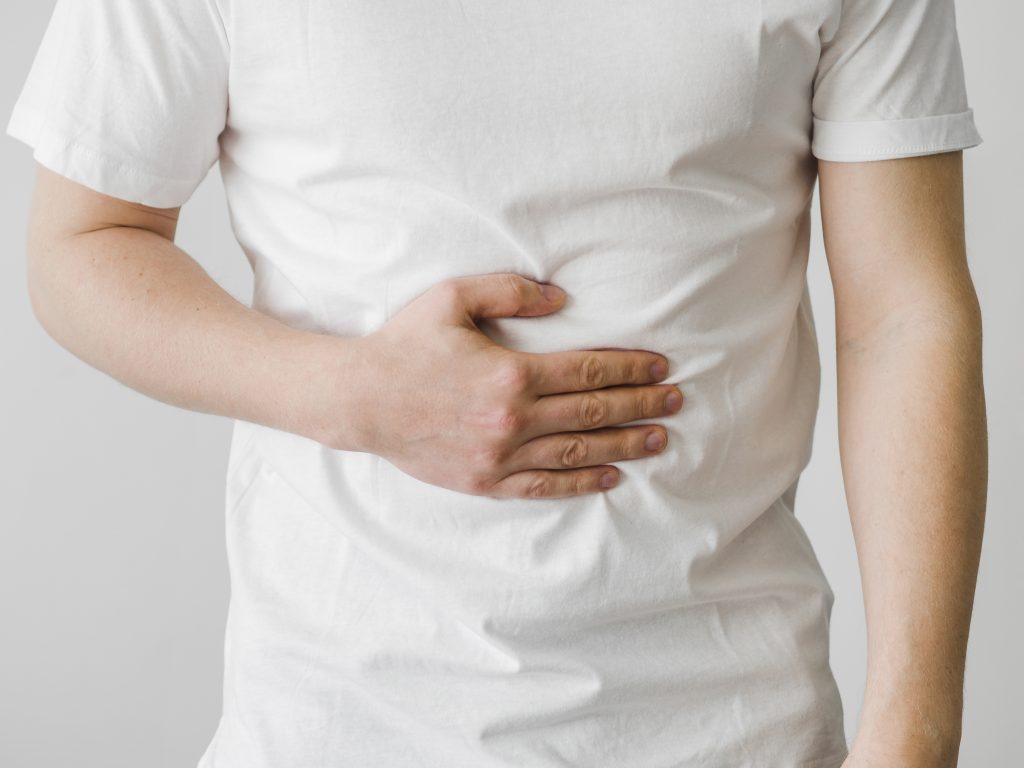
Acid reflux: What Is It?
When bile or stomach acid refluxes back up into the oesophagus—the tube that carries food from the mouth to the stomach—it is known as acid reflux. The oesophagus may become irritated and distressed by this reverse flow, which is known as gastroesophageal reflux.
The Mechanism of Acid Reflux
A muscle called the lower oesophageal sphincter (LES) serves as a valve between the oesophagus and stomach. Acid from the stomach backs up into the oesophagus when this muscle relaxes improperly. This results in heartburn, the traditional burning feeling.
Acid Reflux Triggers
Acid reflux can be caused by a variety of factors, such as:
- Eating too much: Large meals cause the LES to become stressed, which causes acid to flow into the oesophagus.
- Foods high in fat or spice have the potential to aggravate the stomach lining and increase the production of acid.
- Carbonated drinks, alcohol, and caffeine can relax the LES and induce reflux.
- Smoking: Nicotine relaxes the LES, increasing the likelihood of acid reflux.

The Top 5 Natural Ways to Get Rid of Acid Reflux
There are several natural ways to manage acid reflux that can ease symptoms and improve digestive health. They can be useful supplements to lifestyle changes, but they won’t replace medical care.
1. Hold Your Inhalation
Holding your breath is one of the most popular methods for treating acid reflux and hiccups. This resets the LES and diaphragm.
How it operates: Resetting the LES and preventing acid reflux can be achieved by holding a deep breath, which increases blood carbon dioxide levels.
Medical professionals and online healthcare resources such as Healthdirect strongly recommend this simple solution.
2. Sip on some cold water. Gradually
Acid reflux can be lessened by using cold water to relax the oesophagus.
How it operates: The vagus nerve, which controls the diaphragm’s and the LES’s movement, is stimulated by cold water.
Drink cold water slowly because this method is gentle on the stomach and oesophagus. For a more comprehensive approach to managing your health, consider researching natural remedies like those found in CPR First Aid’s First Aid Course if your symptoms are persistent.
3. Try a Vinegar and Apple Cider Mixture
One common home remedy for acid reflux is apple cider vinegar. Apple cider vinegar has been demonstrated to balance stomach acid levels, which may seem strange when used to treat acid reflux.
How it operates: By raising stomach acidity, apple cider vinegar helps with digestion and keeps stomach contents from getting into the oesophagus.
How to take it: Drink a glass of water with one or two teaspoons of apple cider vinegar before meals. This method can help with digestion and avoid reflux symptoms.
4. Juice from Aloe Vera
Aloe vera juice is typically recommended due to its calming and restorative properties. It may lessen oesophageal inflammation and alleviate acid reflux symptoms.
How it works: Aloe vera can lessen irritation brought on by stomach acid and soothe the lining of the oesophagus.
How to use it: To relieve the symptoms of acid reflux, drink half a cup of aloe vera juice before meals. Because some aloe products can have unintended side effects, make sure you are using a variety free of laxatives.
5. Supplemental Slippery Elm
One particularly calming tree bark extract is slippery elm. Traditional medicine frequently uses it to treat digestive issues like acid reflux.
The way slippery elm works is by forming a barrier in the oesophagus that prevents acid from irritating it.
How to take it: Slippery elm can be prepared as a tea or taken as a supplement. It repairs the lining of the oesophagus and eases the symptoms of acid reflux.
Most people find relief from these home remedies, but it’s always best to consult a healthcare professional before starting any new routine. Consider enrolling in CPR First Aid’s First Aid Course for more information on digestive wellness.
Lifestyle & Nutrition Advice for Reducing Acid Reflux
One important strategy for managing acid reflux is to make dietary and lifestyle changes. You can reduce the frequency and intensity of symptoms by making minor dietary changes.

Foods Not to Eat
Acid reflux is known to be caused by a few foods and beverages. The following must be avoided or minimised in order to reduce symptoms:
- Hot Foods: may result in reflux and oesophageal irritation.
- Foods high in fat slow down digestion and increase your risk of acid reflux.
- Citrous fruits are very acidic and can be symptomatic.
- Tomatoes: Too much acidity can make reflux worse.
- Garlic and onions are common culprits when it comes to heartburn.
- Caffeine: May promote reflux by relaxing the LES.
- Alcohol and chocolate both cause reflux by relaxing the LES.
Meal timing and portion control
Consume Meals in Smaller Servings: Large meals put more strain on the LES, increasing the likelihood that it will experience acid reflux. Throughout the day, eat smaller, more frequent meals.
Avoid Eating Late: To give your body enough time to digest before bed, try to eat dinner at least two to three hours before bed.
Position and Elevation of Sleep
When you sleep, you can prevent acid from returning to your oesophagus by raising the head of your bed. To help reduce nocturnal reflux, raise the head of your bed by 6 to 8 inches or use a wedge pillow.
When to Use Over-the-Counter Relief
In addition to dietary and lifestyle changes, over-the-counter (OTC) medications can provide immediate relief from acid reflux. It’s crucial to use them sensibly and only temporarily.
PPIs, H2 Blockers, and Antacids
Antacids: These provide immediate relief by neutralising stomach acid. They are not recommended for long-term use, but they are effective for occasional heartburn.
PPIs, or proton pump inhibitors: These function by reducing the amount of acid produced by the stomach. They are frequently recommended for more severe GERD (acid reflux disease) cases.
H2 Blockers: These lessen acid output by blocking the histamine receptors that cause acid production. Compared to antacids, they last longer.
Before taking these medications regularly, always consult a doctor or pharmacist to make sure they won’t hurt you.
When to Consult a GP or Pharmacist
It’s time to see a specialist if heartburn doesn’t go away with over-the-counter medication or if symptoms continue to worsen. A specialist can offer a personalised treatment plan that includes prescription medications or extra testing to identify any underlying medical conditions.
When to Get Medical Assistance
It’s crucial to see a doctor if your acid reflux symptoms worsen or do not go away after trying home remedies and lifestyle changes. Among the warning indicators are:
Persistent Vomiting: Blood in the vomit or frequent vomiting may indicate a more serious illness.
Weight Loss: Sudden weight loss could indicate more serious conditions like cancer or damage to the oesophagus.
Breathing Issues: If acid reflux makes it difficult to breathe or swallow, you may need to see a doctor right away.
Acid Reflux Frequently Asked Questions
Does Water Aid in Acid Reflux?
Indeed, water can help thin out stomach acid and remove acid from the oesophagus, providing short-term relief from acid reflux.
Is Apple Cider Vinegar Safe for Daily Use?
If used sparingly and diluted, apple cider vinegar is safe. However, in order to prevent side effects, it is crucial to consult a healthcare professional before taking it on a daily basis.
How long should I stop eating before going to bed?
To reduce the likelihood of acid reflux while you sleep, it is recommended that you stop eating at least two to three hours before bed.
In conclusion
Although it can be uncomfortable, acid reflux is a fairly common condition that is easily treated with the right lifestyle changes, over-the-counter medications, and home remedies. To rule out more serious conditions, it’s critical to consult a healthcare provider if the symptoms worsen or persist.
For additional information on how to manage health issues like acid reflux, CPR First Aid offers various First Aid Courses that can equip you with the knowledge and abilities to handle crises and provide efficient care in any circumstance.