

Sneezing is a natural reflex that helps clear irritants from your nasal passages. Howeverrr, frequent or sudden bouts of sneezing can quickly become frustrating. Whether it’s triggered by seasonal allergies, strong smells, or even bright light, knowing how to stop sneezing and prevent it from disrupting your day is valuable. This guide explains why you sneeze, how to stop sneezing immediately, prevention strategies, and when sneezing might signal an underlying health issue.
Why You Sneeze (Causes Explained)
Understanding what causes sneezing is the first step toward managing it effectively.

Common Triggers
- Allergens: Pollen, dust mites, pet dander, and mould are leading culprits. Exposure can inflame nasal passages and trigger sneezing fits.
- Irritants: Cigarette smoke, perfume, cleaning chemicals, and air pollution can irritate your nasal lining.
- Temperature changes: Moving from a warm environment into cold air—or vice versa—can stimulate nerve endings inside your nose.
- Photic sneeze reflex: Around 18–35% of people sneeze when exposed to sudden bright light, such as stepping into the sun.
- Food-related triggers: Spicy foods, horseradish, wasabi, and black pepper may all cause sneezing due to nasal irritation.
If you often ask yourself, “Why am I sneezing nonstop?”, it’s important to track your environment, diet, and habits. Consistently noting what happens before a sneezing fit can help identify the cause.
7 Effective Ways To Stop Sneezing Immediately
Sometimes sneezing strikes at the worst possible moment. Here are quick techniques for sneeze prevention and relief.
Use Your Tongue Trick
The sneeze stifling tongue trick consists of gently tickling or pressing the roof of your mouth with your tongue can disrupt the sneeze reflex. This is a discreet and quick way to stop sneezing immediately in public settings.
Apply Nasal Pressure
Pressing the bridge of your nose or pinching the sides gently can sometimes stop an incoming sneeze. This interrupts nerve signals and delays the sneeze reflex.
Try a Cold Compress
Applying a cold compress over your nose or forehead can reduce nasal irritation, especially if sneezing is triggered by inflammation or allergies.
Avoid Bright Light
If you’re sensitive to light-induced sneezing, put on sunglasses outdoors and reduce the use of harsh indoor lighting.
Step Away From Irritants
Move away from smoke, perfume, or other strong odours that may be triggering sneezing fits.
Stay Hydrated
Drinking water can soothe dry nasal passages, especially in air-conditioned or heated rooms that worsen sneezing.
Use Antihistamines for Allergy Relief
If allergies are the main cause, over-the-counter antihistamines may help. They reduce nasal irritation, congestion, and continuous sneezing associated with hay fever or dust exposure. Always follow medical advice before using medication regularly.
When Sneezing Signals a Health Concern
Most sneezing is harmless, but in some cases, it can be a sign of an underlying condition. Seek medical advice if you notice:
- Persistent sneezing that lasts for days without improvement.
- Associated symptoms like a sore throat, cough, fever, or nasal congestion.
- Chronic allergy signs such as watery eyes, sinus pressure, and frequent nasal irritation.
These may point to hay fever, sinusitis, viral infections, or other respiratory conditions requiring medical treatment.
Sneezing Prevention Tips
Long-term prevention is about reducing exposure to triggers and improving nasal health.
Allergy Management
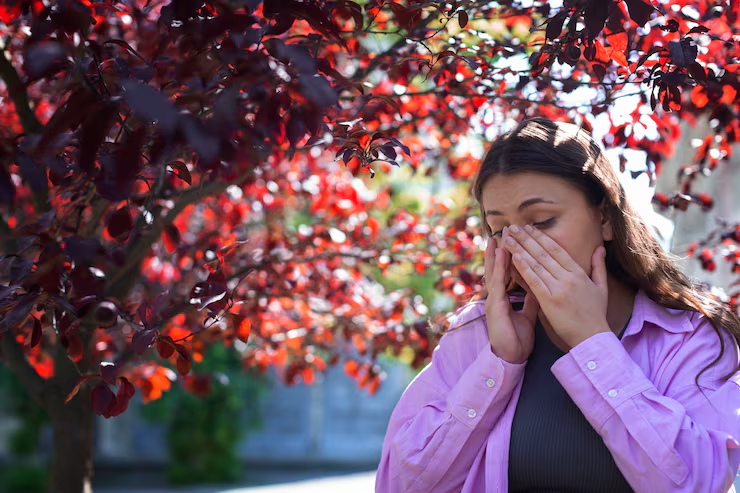
- Take prescribed antihistamines or nasal sprays for severe hay fever.
- Consider allergy testing if sneezing is frequent and disruptive.
Nasal Hygiene
- Use saline sprays or rinses to flush out allergens and reduce congestion.
- Keep nasal passages moist to avoid irritation from dry air.
Environment Adjustment
- Air purifiers: Filter pollen, dust, and pet dander at home.
- Keep windows closed during peak pollen seasons.
- Clean regularly: Wash bedding weekly and vacuum floors to reduce dust mites.
- Avoid smoke: Cigarette smoke and bushfire smoke can dramatically worsen sneezing.
FAQ: Sneezing Questions Answered
Why do I sneeze suddenly?
Sudden sneezing often occurs when your nose detects irritants such as dust, pollen, or pepper. It can also be caused by abrupt changes in light or temperature.
Why am I sneezing nonstop?
Continuous sneezing is usually linked to allergies, viral infections like the common cold, or exposure to persistent irritants. Identifying the source is key to managing it.
Can antihistamines stop sneezing immediately?
Yes, antihistamines can reduce sneezing caused by allergies, but they are not instant. Relief may take 30 minutes to a few hours.
Is it bad to hold in a sneeze?
Yes, holding in a sneeze can cause ear damage, sinus infections, or burst blood vessels. It’s always safer to let the sneeze out into a tissue or your elbow.
When should I see a doctor for sneezing?
If sneezing is continuous, severe, or paired with symptoms like congestion, sore throat, or fever, consult a healthcare professional.
Conclusion
Sneezing is natural, but if it’s frequent, disruptive, or persistent, you can take steps to control it. Quick relief techniques like pressing your tongue to the roof of your mouth or applying nasal pressure can stop sneezing immediately. Preventive measures—such as managing allergies, keeping your environment clean, and practising nasal hygiene—help reduce future episodes.
While first aid training won’t directly stop sneezing, it prepares you to manage related health issues like allergic reactions or asthma flare-ups. To build confidence in handling such situations, consider enrolling in a CPR Course or Childcare First Aid Course with CPR First Aid. These skills not only benefit your health but also empower you to assist others when unexpected medical events occur.