
Constipation is common, uncomfortable, and often frustrating, but in many cases it improves with simple changes to fluids, fibre, movement, and toilet habits. If you are wondering what to do about constipation, the first step is to not panic. Many adults do not open their bowels every day, and Healthdirect notes that a normal pattern can range from 3 bowel movements a day to 3 a week. Constipation usually means your stools are harder, drier, less frequent, more difficult to pass, or leave you feeling like you have not emptied your bowels properly.
For most mild cases, the best approach is simple and practical: drink enough fluids, increase fibre gradually, stay active, go to the toilet when you feel the urge, and avoid putting it off. These same habits also help prevent constipation from coming back. If symptoms are severe, new, or not improving, it is important to get medical advice because constipation can sometimes be linked to medicines, pregnancy, bowel conditions, pelvic floor problems, or other health issues.
At CPR First Aid, we focus on practical health and emergency awareness. Constipation itself is usually not a first aid emergency, but severe abdominal pain, bloating, rectal bleeding, dehydration, collapse, or a sudden major change in bowel habits should never be brushed off. If you want broader emergency response skills for illness, dehydration, abdominal symptoms, collapse, or choking, CPR First Aid offers HLTAID011 Provide First Aid and HLTAID009 Provide CPR.
What Is Constipation?
Constipation is difficulty passing stools, passing hard or lumpy stools, not going as often as usual, straining during a bowel movement, passing only small amounts, or feeling blocked or incompletely emptied. One of the most useful things to understand is that “not going every day” does not automatically mean you are constipated. What matters more is whether your normal pattern has changed and whether stools have become hard, painful, or difficult to pass.
Constipation often happens because stool moves too slowly through the bowel. When that happens, the body absorbs too much water from the stool, which makes it dry, firm, and harder to pass. That is why hydration, fibre, and movement matter so much. They help support normal bowel movement and stool consistency.
What to Do for Constipation Right Now
If you want to treat constipation at home, start with the basics and give them a fair chance to work.
1. Drink More Fluids
Not drinking enough water is one of the most common reasons people become constipated. Healthdirect and Johns Hopkins both recommend increasing fluid intake, and this becomes even more important if you are eating more fibre or taking a fibre supplement. Hydration helps keep stool softer and easier to pass.
Plain water is the best place to start. Sip regularly through the day instead of trying to “catch up” all at once. If you are also dealing with vomiting, diarrhoea, or heat exposure, rehydration matters even more. CPR First Aid also has a related guide on What Is Dehydration? if you want to understand dehydration symptoms in more detail.
2. Increase Fibre Slowly, Not Suddenly
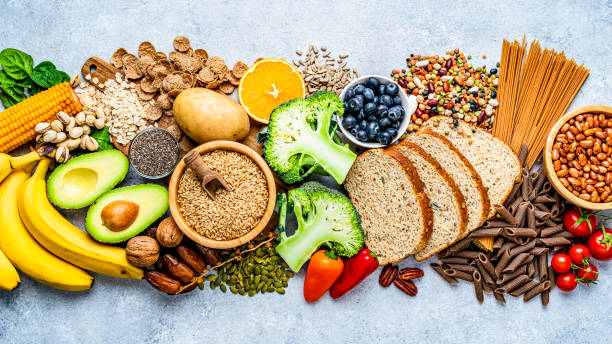
A high-fibre diet is one of the best ways to treat and prevent constipation, but it needs to be done gradually. Healthdirect specifically advises increasing fibre slowly to reduce bloating and wind. Fibre helps add bulk and softness to stools, which makes them easier to pass. Mayo Clinic and Johns Hopkins both support a diet rich in vegetables, fruit, beans, and whole grains for constipation prevention and relief.
Good options include:
- vegetables
- fruit
- beans and legumes
- wholegrain bread
- high-fibre cereal
- oats
- brown rice
- bran-based foods
If you suddenly load up on fibre without enough fluids, you may feel more bloated or uncomfortable. Slow, steady increases work better than extreme changes.
3. Move Your Body
Physical activity helps stool keep moving through the colon. Even regular walking can help. You do not need an intense workout to make a difference. The key is consistency. If you spend long hours sitting, try adding short walks, gentle stretching, or light daily exercise.
4. Go When Your Body Tells You to Go
Ignoring the urge to poo is a common cause of constipation. The longer stool sits in the bowel, the more water gets absorbed from it, and the harder it becomes. If you keep delaying bowel movements because you are busy, travelling, at work, or out of routine, constipation can become a pattern.
5. Build a Better Toilet Routine
Bowel training can help. NIDDK suggests trying to use the toilet at the same time each day, especially 15 to 45 minutes after breakfast, when the colon is naturally more active. Give yourself enough time, try to relax, and consider placing your feet on a small footstool to make it easier to pass stool.
6. Manage Stress
Stress and changes in the environment can contribute to constipation. Travel, disrupted meal times, low sleep, long work shifts, anxiety, and daily routine changes can all play a role. Healthdirect also lists stress as a contributor, so if your bowels tend to slow down during stressful periods, that connection is real.
7. Review Medicines and Supplements
Sometimes constipation is not mainly about diet. It can be triggered by medicines such as some painkillers, iron tablets, and other medications. Mayo Clinic also notes that opioid pain relievers are a common cause, along with some medicines used for blood pressure, seizures, depression, nervous system disorders, and allergies. If constipation started after a new medicine or supplement, talk to your doctor or pharmacist before stopping anything.
8. Ask a Pharmacist or Doctor About Laxatives if Lifestyle Changes Are Not Enough
If fluids, fibre, movement, and better toilet habits are not helping, Healthdirect says it is reasonable to ask a doctor or pharmacist for advice. Different laxatives work in different ways. Bulk-forming laxatives add fibre, osmotic laxatives help keep water in the bowel, and stimulant laxatives increase bowel movement. NIDDK also notes that laxatives are usually for short-term use and that stimulant laxatives are generally reserved for more severe constipation or when other options have not worked.
Reasons of Constipation
If you are searching for the reasons behind constipation, the answer is often a mix of lifestyle, routine, medicines, and underlying health issues.
The most common everyday causes are:
- not eating enough fibre
- not drinking enough water
- low physical activity
- ignoring the urge to go
- stress
- changes in routine or environment
Constipation can also happen during pregnancy, with some medicines such as pain killers or iron tablets, and with certain medical conditions including thyroid problems, Parkinson’s disease, multiple sclerosis, irritable bowel syndrome, coeliac disease, diverticulitis, and depression. Mayo Clinic also notes that pelvic floor muscle problems can contribute to chronic constipation because those muscles need to relax and coordinate properly for stool to pass.
This matters because persistent constipation is not always “just diet.” If you have ongoing symptoms, significant bloating, pain, or a sudden change in bowel habit, it is worth getting assessed instead of self-treating indefinitely.
How to Help With Constipation Using Food and Fluids
When people ask how to stop being constipated, they usually want to know exactly what to eat and drink. The most evidence-backed answer is simple: eat more fibre-rich foods and drink enough fluid to support that fibre.
Foods that commonly help include whole grains, vegetables, beans, fruit, oats, bran cereals, and other fibre-rich foods. If your current diet is low in fibre, increase it gradually and spread it across the day instead of trying to fix everything in one meal.
Hydration matters just as much. Fibre without enough fluid can make constipation feel worse. If you are already dehydrated, address that first. This is especially important for older adults, people working in hot weather, and people who have recently been unwell. If your constipation is happening alongside fluid loss from vomiting or diarrhoea, CPR First Aid’s article on How to Treat Gastroenteritis? may also be useful.
Some people also find that highly processed foods, very low-fibre eating patterns, and long periods of inactivity make constipation worse. Mayo Clinic recommends eating fewer low-fibre foods such as heavily processed foods, and in some people dairy-heavy diets may also make symptoms feel worse.
How to Stop Being Constipated Without Making it Worse
A lot of people accidentally make constipation harder to fix because they try too much at once or use the wrong strategy.
One common mistake is jumping from very low fibre to very high fibre overnight. That often leads to bloating, discomfort, and gas. Another is focusing only on laxatives without improving fluids, diet, or routine. Another is repeatedly ignoring the urge to go because of work, school, or travel. Constipation often improves when you create better consistency rather than chasing a fast fix.
It is also important not to keep using laxatives long term without advice if you feel you cannot go without them. NIDDK advises speaking with a doctor if you have been taking laxatives for a long time and cannot have a bowel movement without them.
How Can You Prevent Constipation?
If you want to know how you can prevent constipation, the answer is largely the same as treatment, just done earlier and more consistently.
Eat enough fibre every day. Drink enough water every day. Stay physically active. Use the toilet when you feel the urge. Try to keep a regular time for bowel movements, especially after meals. These prevention habits are strongly supported by Healthdirect, Mayo Clinic, Johns Hopkins, and NIDDK.
A practical prevention routine might look like this:
- start the day with water
- include fruit, vegetables, oats, beans, or whole grains across meals
- walk daily
- avoid delaying toilet visits
- make time after breakfast or another regular meal to sit on the toilet without rushing
- review medicines if constipation becomes frequent
If your work involves long sitting periods, shift work, travel, or routine disruption, bowel habits can become irregular more easily. That is why prevention is usually about consistency more than “special remedies.”

When Constipation Needs Medical Attention
Most mild constipation can be managed at home, but there are clear times when you should see a doctor. Healthdirect recommends seeing a doctor if constipation is severe or is not getting better with simple lifestyle changes. Urgent review is advised if you have a recent change in bowel habits, weight loss, rectal bleeding or blood in the stool, or abdominal pain, cramping, or bloating. Healthdirect also highlights extra concern if you are over 50, if your normal bowel habit changes suddenly, or if you have a family history of bowel cancer.
Mayo Clinic also notes that chronic constipation can lead to complications including haemorrhoids, anal fissures, faecal impaction, and rectal prolapse. That is one reason not to leave persistent constipation unmanaged for too long.
In practical terms, get medical help sooner rather than later if:
- you have severe or worsening tummy pain
- you notice blood
- you are losing weight without trying
- your bowel habit has changed suddenly
- you feel increasingly bloated or blocked
- you think a medicine may be causing the problem
- symptoms keep returning or are becoming your “new normal”
A First Aid Perspective: When It May Be More Than Constipation
Constipation is usually uncomfortable rather than dangerous, but abdominal symptoms can overlap with more serious illness. If someone has severe abdominal pain, is vomiting repeatedly, becomes confused, is very dehydrated, faints, or looks acutely unwell, do not assume it is “just constipation.” Get urgent medical help. Healthdirect’s warning signs include abdominal pain, bloating, bleeding, and a major change in bowel habits.
This is where first aid awareness matters. Knowing when symptoms have moved beyond a simple home-care problem is important. CPR First Aid’s HLTAID011 Provide First Aid can help build confidence in recognising illness, responding to deterioration, and acting appropriately while waiting for medical care. HLTAID009 Provide CPR is also valuable for emergency readiness if a person becomes unresponsive.
For broader health reading on related symptoms, you can also explore the CPR First Aid blog, including What Is Dehydration? and How to Treat Gastroenteritis?. These can be especially useful when constipation is mixed with poor fluid intake, stomach upset, or recent illness.
Final Thoughts on How to Treat Constipation
If you are asking how do I stop being constipated, start with the proven basics: drink more water, eat more fibre gradually, move your body, stop delaying toilet visits, and build a regular bowel routine. In many cases, that is enough to get things moving again and lower the chance of constipation coming back.
If those steps are not working, a pharmacist or doctor can help you decide whether a laxative or further assessment is needed. And if constipation comes with blood, weight loss, strong abdominal pain, major bloating, or a sudden change in bowel habits, do not wait it out. Get medical advice.
For more practical health and emergency guidance, explore the CPR First Aid blog, learn more about HLTAID011 Provide First Aid, or book a HLTAID009 Provide CPR course with CPR First Aid.