

Food poisoning affects around 4.1 million Australians each year, making it one of the most common health issues linked to food safety. While most cases are mild and resolve within a couple of days, some can become serious, especially in young children, pregnant women, older adults, and people with weakened immune systems.
This guide covers the causes of food poisoning, its symptoms, treatment options, prevention tips, and the importance of food safety training in Australia.

What is Food Poisoning?
Food poisoning or also known as foodborne illness occurs when food or drink is contaminated with harmful microorganisms or toxins. These can include:
- Bacteria: Salmonella, E. coli, Listeria
- Viruses: Norovirus, Hepatitis A
- Parasites: Giardia, Toxoplasma
- Toxins: Some bacteria produce toxins that remain harmful even after cooking
The risk of contamination increases when food safety practices are not followed, which is why prevention is as important as treatment.
How Does Food Get Contaminated?
Food becomes unsafe to eat due to a variety of reasons:
- Poor hygiene: Not washing hands before preparing or eating food
- Improper storage/cooking: Leaving food at unsafe temperatures allows bacteria to multiply
- Cross-contamination: Raw meat, poultry, or seafood touching ready-to-eat foods
- Unclean surfaces and utensils: Using the same chopping boards or knives without proper cleaning
Even a small lapse in food handling can result in millions of bacteria, enough to cause illness.
High-Risk Foods
Some foods are more likely to cause food poisoning than others. In Australia, these include:
- Raw or undercooked meat, poultry, and seafood
- Raw eggs and foods containing them (e.g., mayonnaise, desserts)
- Unpasteurised milk and soft cheeses
- Pre-prepared salads, sandwiches, and sprouts
Extra care should be taken when buying, storing, and cooking these items.
What are the Symptoms of Food Poisoning?
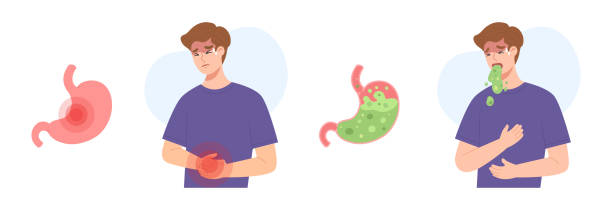
Symptoms often appear within a few hours to a couple of days after eating contaminated food. Common signs include:
- Nausea and vomiting
- Diarrhoea (sometimes watery or bloody)
- Stomach cramps
- Fever and headache
- Dehydration (dry mouth, dizziness, reduced urine output)
Most mild cases improve within 24–48 hours, but some infections last longer. If symptoms are severe, medical help is essential.

Home Treatment for Food Poisoning
Most mild cases can be managed safely at home with hydration, rest, and careful food choices.
Hydration – Fluids and Electrolytes
- Drink water frequently, even in small sips.
- Oral rehydration solutions (ORS) are helpful for replacing lost salts.
- Clear broths and diluted fruit juices may also help.
- Avoid alcohol, caffeine, and dairy until fully recovered.
Rest and Nutrition
- Rest as much as possible—your body needs energy to recover.
- Start with bland, easy-to-digest foods such as the BRAT diet (Bananas, Rice, Applesauce, Toast).
- Gradually reintroduce other foods once symptoms ease.
- Consider probiotics from yoghurt or supplements to restore healthy gut bacteria.
Over-the-Counter Medications
- Anti-nausea or antidiarrhoeal medicines may provide relief.
- However, diarrhoea is sometimes the body’s way of flushing out toxins, so medications should be used with caution.
- Do not give medicines to children without medical advice.
When to Get Medical Treatment For Food Poisoning?
Seek urgent medical attention or call Triple Zero (000) if you experience:
- A high fever over 38.6°C
- Blood in vomit or stools
- Severe abdominal pain
- Vomiting or diarrhoea lasting more than three days
- Signs of dehydration such as dizziness, dry mouth, or minimal urine output
These symptoms may indicate a more serious infection requiring medical treatment.
How to Prevent Food Poisoning?
The best treatment is prevention. Following basic food safety rules significantly reduces risk:
- Keep it cold: Refrigerate perishable foods quickly (below 5°C).
- Keep it clean: Wash hands, utensils, and kitchen surfaces thoroughly.
- Keep it hot: Cook foods to safe internal temperatures to kill harmful bacteria.
- Check labels: Always follow use-by and best-before dates.
Practising these habits at home makes a big difference in protecting yourself and your family.
Importance of Food Safety Training in Australia
Food safety training is critical not only for people working in hospitality and childcare but also for individuals who cook at home. Training teaches:
- Safe food handling and hygiene
- Proper cooking and storage methods
- How to avoid cross-contamination
- Ways to identify unsafe food
When paired with first aid training in Australia, individuals are also equipped to respond effectively in case someone develops severe symptoms of foodborne illness.
FAQs on Food Poisoning Treatment
How long does food poisoning last?
Most cases last 24–48 hours, but some infections can take up to a week to resolve.
Can food poisoning be fatal?
Yes, in rare cases. Vulnerable groups such as children, pregnant women, older adults, and those with weak immune systems face higher risks.
What are quick home remedies for food poisoning?
Hydration with water or ORS, rest, probiotics, and bland foods like bananas, rice, and toast can ease recovery.
Should I see a doctor for food poisoning?
Yes, if symptoms are severe, persist for more than three days, or include blood in stools, dehydration, or a high fever.
Is food poisoning contagious?
Some forms, especially viral food poisoning, can spread through person-to-person contact. Always practise good hygiene to protect others.
Conclusion
Food poisoning is common but largely preventable. By understanding the causes, recognising the symptoms, and knowing when to seek medical help, you can manage most cases safely.
For mild illness, hydration, rest, and bland foods are often enough. For severe or prolonged cases, professional treatment is essential.
Above all, practising good food safety habits—and considering food safety training in Australia—helps protect not only your household but also the wider community.