
If you’re struggling with your mental health or concerned about someone else, knowing where to turn for help can make all the difference. The Mental Health Hotline in NSW provides confidential, 24/7 support for anyone needing mental health assistance.
Whether you’re a first-time employee under pressure, a parent, or simply going through a tough time, this guide will help you get help, what to expect when calling, and the additional resources available in New South Wales.
Understanding the Mental Health Hotline NSW

What Is the NSW Mental Health Line?
The NSW Mental Health Line is a statewide, 24/7 telephone support service provided by the NSW Government. It’s designed to help people in mental health distress by connecting them to the appropriate care and services.
You can call the Mental Health Line on 1800 011 511 any time, day or night. The service is free and provides advice, assessment, and referral to local mental health services across NSW.
Who Can Call the Mental Health Line?
The hotline is open to everyone in New South Wales, including:
- Individuals experiencing distress
- Family members or carers
- Friends or concerned loved ones
- Health professionals needing advice about a patient or client
You don’t need a diagnosis or a referral to call.
How the Mental Health Hotline Works
What to Expect During a Call
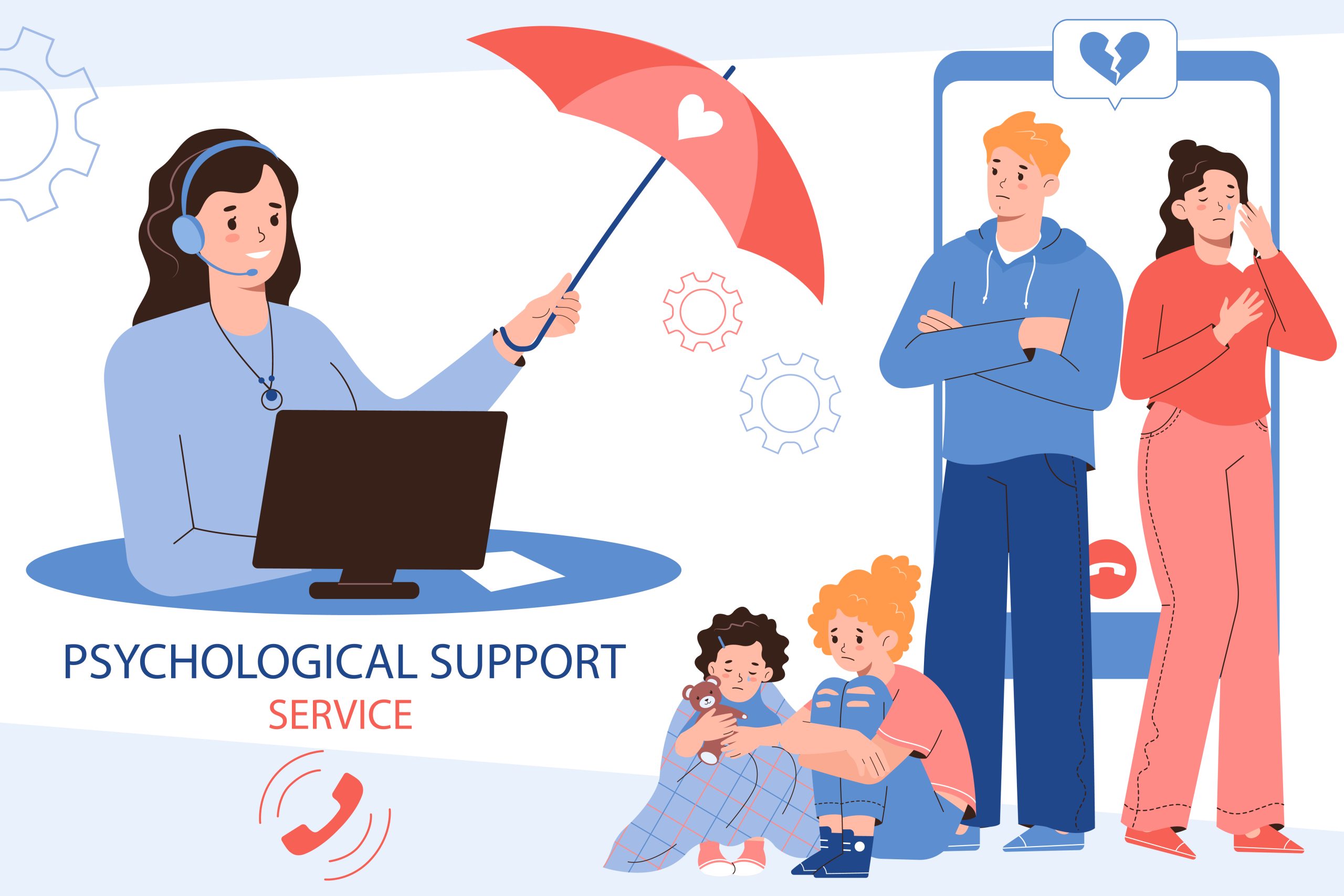
When you dial 1800 011 511, your call will be answered by a trained mental health professional. They will:
- Ask about your current emotional state or symptoms
- Assess the urgency of your situation
- Ask whether you or someone else is in immediate danger
- Determine whether you need to be connected to local crisis teams, GPs, or hospital-based services
Calls are confidential, and operators are trained to help, not judge.
Types of Help Provided
The hotline can provide:
- Immediate emotional support
- Crisis intervention
- Connection to community mental health teams
- Referrals to services like psychiatrists, psychologists, or GPs
- Advice for carers or support people
Major Mental Health Hotlines Available in NSW
Lifeline – 13 11 14
Offers 24/7 crisis support and suicide prevention. It’s ideal for anyone in emotional distress or needing immediate help.
Beyond Blue – 1300 22 4636
Provides support for anxiety, depression, and stress-related issues. Trained counsellors are available 24/7.
Kids Helpline – 1800 55 1800
Free counselling for young people aged 5–25. Available via phone, email, or webchat.
Suicide Call Back Service – 1300 659 467
Specialised help for those affected by suicide, including people at risk, carers, or those who have lost someone.
These hotlines work in conjunction with the NSW Mental Health Line to ensure no one in distress is left unsupported.
When Should You Call a Mental Health Hotline?
Early Signs You Shouldn’t Ignore
If you or someone you know is:
- Experiencing persistent sadness or anxiety
- Struggling with sleep or eating
- Withdrawing from family, friends, or work
- Feeling overwhelmed or hopeless
- Using alcohol or substances to cope
These are early warning signs that you should seek help.
Recognising the warning signs is very important. From here, early intervention can be enacted. Learn more about recognising various conditions and responding to them by enrolling in CPRFA’s Mental Health Level 1 or Mental Health Level 2 courses.
Crisis Situations That Require Immediate Help
Call a mental health hotline if:
- You have suicidal thoughts or urges
- You or someone else is at risk of self-harm or harm to others
- You’re experiencing hallucinations or psychosis
- A loved one is showing sudden behavioural changes or intense distress
In life-threatening emergencies, always call 000.
Tips for Preparing to Call a Mental Health Hotline
What Information to Have Ready
To help the support team assist you quickly, try to prepare:
- A brief description of how you’re feeling
- Any changes in behaviour or thoughts
- Current medications or mental health history (if applicable)
- Contact details for a GP or other healthcare provider (if relevant)
If you’re calling for someone else, note any observable behaviours or concerns.
How to Stay Calm During the Call
It’s okay to feel nervous. Remember:
- You are not alone
- The person on the line is trained to help
- Take a few deep breaths before and during the call
- You can ask for clarification or take pauses
Mental Health Support After Your Hotline Call
Following Up with a Mental Health Professional
The hotline may suggest booking a GP appointment, or they may refer you to a local mental health team for follow-up.
Following through with this care is important, even if the crisis has passed, to build long-term support.
Accessing Community Mental Health Services
You may be connected to services such as:
- Local Health District (LHD) Mental Health Services
- Headspace (for people aged 12–25)
- NDIS providers (if you or the person in need has a disability)
- Community support programs for ongoing counselling, therapy, or housing
Addressing Common Concerns About Calling a Mental Health Hotline
Is My Call Confidential?
Yes. All calls to NSW mental health services and hotlines are strictly confidential. They won’t share your information unless:
- You give explicit consent
- There is a serious and immediate risk to yourself or others
What If I’m Not Sure It’s Serious Enough?
You don’t need to be in crisis to call. If you’re worried, overwhelmed, or unsure, it’s better to reach out early. Mental health support is preventative as well as reactive.
Resources for Ongoing Mental Health Support
Online Mental Health Resources
Workplace Mental Health Programs
If you’re employed, check if your workplace offers:
- Employee Assistance Programs (EAPs)
- Mental health leave entitlements
- On-site counselling or helplines
Employers are increasingly recognising the importance of mental health in the workplace.
FAQ
What number do I call for mental health help in NSW?
Call the NSW Mental Health Line: 1800 011 511 (24/7 support).
Is the NSW Mental Health Line free?
Yes, calls are free and confidential.
Can I call the hotline for someone else?
Yes. Carers, friends, or health workers can call on behalf of others.
What happens after I call the mental health hotline?
You may receive immediate support, advice, or be referred to a local mental health service.
Is the NSW Mental Health Line available 24/7?
Yes, it operates 24 hours a day, 7 days a week.
Will the police be called if I contact the mental health hotline?
Only in life-threatening situations. Otherwise, calls remain confidential and focused on support.
What other hotlines are available for mental health support?
Lifeline, Beyond Blue, Kids Helpline, and the Suicide Call Back Service are key alternatives.
How private is my information when I call a mental health hotline?
Your information is confidential unless there’s a significant safety risk.
Should I call if I just need advice and it’s not a crisis?
Yes. The hotline offers advice and early intervention, not just emergency support.
What if I don’t feel ready to talk but need help?
You can begin by texting or chatting online with services like Beyond Blue or Lifeline if that feels easier.
Key Points
- The NSW Mental Health Line (1800 011 511) offers 24/7 mental health support for individuals and carers
- Calls are confidential, free, and available to anyone in NSW
- Hotlines like Lifeline, Beyond Blue, and Kids Helpline offer specialised support
- You don’t need to be in crisis to seek help — early intervention matters
- Follow-up support is key to long-term mental health recovery