
Parvo virus is one of the most serious infectious diseases dog owners can face. If a puppy or dog suddenly becomes lethargic, stops eating, starts vomiting, or develops diarrhoea, parvo should be treated as an emergency because the illness can progress quickly and lead to severe dehydration, shock, and life-threatening complications. Canine parvovirus is highly contagious and is most dangerous in young, unvaccinated, or partially vaccinated dogs.
For many pet owners, the first question is simple: what is parvo disease, and how do you know whether your dog has it? In plain terms, parvo disease dogs get is a viral infection that mainly attacks rapidly dividing cells in the intestinal tract and can also affect bone marrow and lymphatic tissue. That is why parvo virus symptoms often involve severe gut signs, weakness, and a sharp decline in a dog’s overall condition.
Quick Answers About Parvo Virus
- What is parvo virus? It is a highly contagious canine virus that can cause severe vomiting, diarrhoea, dehydration, and collapse, especially in puppies and unvaccinated dogs.
- What are the first symptoms of parvovirus in dogs? Early signs often include lethargy, low appetite, and fever, followed by vomiting and diarrhoea.
- How do dogs catch it? Dogs usually become infected through contact with contaminated faeces, surfaces, shoes, hands, kennels, or environments where the virus is present.
- Can parvo be treated at home? No. There is no simple home cure, and dogs with severe parvo often need intensive veterinary treatment and monitoring.
- What is the best prevention? Vaccination remains the most effective protection, especially for puppies.
What Is Parvo Disease in Dogs?
When people search “parvo what is” or “what is parvovirus”, they are usually referring to canine parvovirus, often shortened to parvo virus. It is a very hardy virus that spreads easily between dogs and survives well in the environment, which is one reason outbreaks can move fast in homes, shelters, yards, parks, and other shared spaces.
Parvo disease dogs develop is not just an upset stomach. The infection damages the gut lining, which makes it hard for the dog to hold down fluids, absorb nutrients, and protect itself from secondary infection. That is also why dogs with parvo can deteriorate so quickly once vomiting and diarrhoea start.
Puppies are often the most vulnerable because their immune systems are still developing and their vaccine protection may not yet be complete. However, older dogs can still get parvo if they are unvaccinated, incompletely vaccinated, or have weaker immune protection.
It is also worth clearing up a common confusion: canine parvovirus is not the same as human parvovirus B19. Human parvovirus B19 affects people, not dogs, and you do not catch canine parvovirus from your dog. That distinction matters because some search results about “parvovirus” refer to human illness rather than canine disease.
Symptoms of Parvovirus in Dogs
The classic parvo virus symptoms usually start with a dog seeming “off” before the severe stomach signs begin. Early symptoms of parvovirus in dogs often include tiredness, depression, reduced appetite, and fever. After that, vomiting and diarrhoea typically follow, and the diarrhoea may become severe or bloody.
Other common signs of parvo in puppies and adult dogs include dehydration, weakness, abdominal discomfort, rapid decline in energy, and a generally very unwell appearance. Some dogs may also develop low body temperature later in the illness, especially when they are becoming severely compromised.
A key point for owners is this: do not wait for bloody diarrhoea before taking action. The first signs of parvo in puppies can be as subtle as refusing food, sleeping much more than usual, or acting flat and quiet. By the time the severe diarrhoea appears, the dog may already be dangerously dehydrated.
If you are trying to work out whether your dog’s symptoms are caused by parvo or something else, remember that vomiting and diarrhoea can also happen with poisoning, dietary indiscretion, intestinal upset, and other infections. That is one reason veterinary testing matters. For related reading, CPR First Aid also has guides on what are poisonous to dogs and how to induce vomiting in a dog, but with suspected parvo, veterinary assessment should come first.
Signs of Parvo in Puppies
Puppies are the group most people worry about, and for good reason. Cornell notes that unvaccinated dogs of any age can be affected, but puppies between about 6 weeks and 6 months are especially at risk. Greencross Vets also highlights that puppies are often the most vulnerable group.
Signs of parvo in puppies can include:
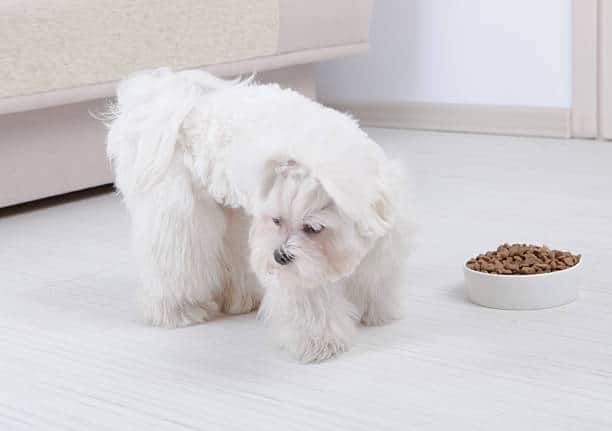
- sudden lethargy
- refusal to eat
- vomiting
- foul-smelling diarrhoea
- bloody stools
- dehydration
- weakness or collapse in more severe cases.
Because puppies are smaller and have less reserve, fluid loss hits them harder. A few hours of persistent vomiting or diarrhoea in a young puppy can become dangerous much faster than many owners expect. That is why rapid veterinary care matters so much in suspected parvo disease dogs cases.
How Dogs Get Parvo Virus
Parvo is mainly spread through infected faeces, but it does not require visible mess for the virus to spread. Dogs can pick it up from contaminated ground, kennels, bowls, shoes, hands, clothing, paws, and other surfaces. Infected dogs can also shed the virus before obvious symptoms develop, which makes it easier for parvo to move through dog populations unnoticed.
One of the biggest reasons parvo is so difficult to control is environmental persistence. Cornell reports that the virus is hardy, resistant to many household disinfectants, and can survive in the right conditions for up to a year. That means a yard, kennel, or shared dog space can remain risky long after the original sick dog has gone.
This is why unvaccinated puppies should not be taken into high-risk environments too early. Public parks, shared dog areas, kennels, and places with unknown vaccination exposure can increase the chance of infection before the puppy’s vaccine series is complete.
What to Do if You Think Your Dog Has Parvo
If you suspect parvo virus, the first step is to call your vet immediately. Do not “wait and see” whether it settles by itself. Persistent vomiting and diarrhoea can cause rapid dehydration, and severe cases may need urgent hospital care and isolation.
Keep your dog away from other dogs straight away. Parvo spreads easily, so isolation matters at home, during transport, and at the clinic. It is also smart to phone ahead before arriving so the clinic can prepare appropriate infection control procedures.
Do not rely on home remedies, random supplements, or internet tricks to try to “flush it out”. There is no simple at-home cure for parvovirus, and delaying treatment can cost valuable time. Likewise, do not induce vomiting unless a veterinarian specifically tells you to, because vomiting is already a major feature of parvo and the wrong action can make dehydration worse. CPR First Aid’s related article on ways to make your dog vomit without hydrogen peroxide also stresses the importance of professional guidance.
If your dog is vomiting, flat, and not eating, focus on getting veterinary care fast rather than trying to manage the illness yourself. Early supportive treatment can make a major difference to outcome.
How Vets Diagnose Parvo Disease Dogs May Have
Parvo is often diagnosed with a relatively quick faecal or rectal swab test, especially in puppies or unvaccinated dogs presenting with vomiting and diarrhoea. Vets may also assess hydration status, temperature, energy levels, and other signs of systemic illness while ruling out other causes of gastrointestinal disease.
That testing matters because not every vomiting puppy has parvo, and not every case of diarrhoea is caused by infection. A correct diagnosis helps guide isolation, treatment, prognosis, and home decontamination advice.
Treatment for Parvo Virus
There is no simple antiviral cure that owners can give at home for typical canine parvovirus. Treatment is mainly supportive veterinary care, which means helping the dog survive the dehydration, electrolyte loss, gut damage, nausea, and risk of secondary infection while the body fights the virus.
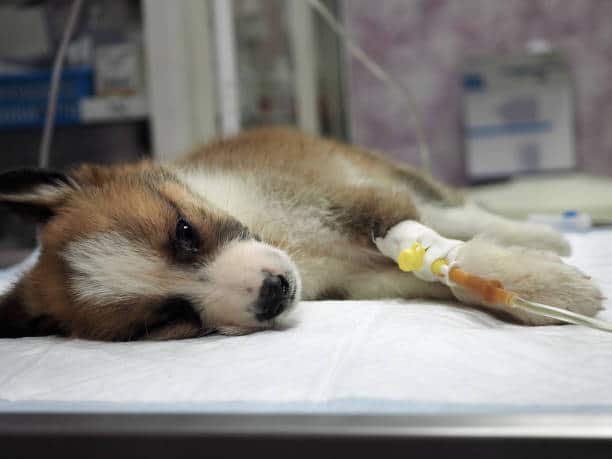
Common treatment measures include intravenous fluids, electrolyte support, anti-nausea medication, pain relief, warmth, nutritional support when appropriate, and medicines used to prevent or control secondary bacterial complications. More severe cases may need round-the-clock monitoring and several days of hospitalisation.
The practical takeaway is simple: parvo virus symptoms need vet care, not DIY treatment. Dogs that receive timely supportive care have a much better chance than dogs left untreated, especially in the first few critical days of illness.
How Long Does Parvo Last?
After exposure, clinical signs often develop within a few days, commonly around 3 to 7 days. Once the illness starts, the most dangerous period is usually early in the course of disease, when vomiting, diarrhoea, dehydration, and weakness escalate. Dogs that survive the first several days of illness often improve with appropriate treatment, but recovery still requires careful veterinary guidance.
Even when a dog begins to look better, owners still need to think about contamination risk. Cornell notes that infected dogs can shed virus before symptoms appear and for a period after signs resolve, which is another reason strict hygiene and isolation advice from your vet should be followed closely.
Prevention: the Best Way to Protect Your Dog From Parvo
Vaccination is the most effective way to protect dogs from parvo virus. RSPCA Queensland, AVMA, and veterinary sources consistently emphasise vaccination as the core prevention strategy. For puppies, vaccination usually begins at about 6 to 8 weeks of age and continues in a series of boosters until around 16 weeks, followed by later boosters as advised by a vet.
Good hygiene matters too. Because the virus can live in contaminated environments and travel on objects, shoes, clothing, and hands, owners should be careful about where young puppies go, who handles them, and what surfaces or dog areas they are exposed to before full vaccine protection is in place.
If you have had a dog with suspected or confirmed parvo at home, ask your vet for specific cleaning and quarantine advice. Not all household products are effective against the virus, and timing for safely introducing another puppy can vary depending on the situation.
Recovery and Aftercare
Dogs recovering from parvo often need a gradual return to food, continued hydration support, careful monitoring, and follow-up vet advice. Recovery is not just about the vomiting stopping; it is about the dog regaining strength, hydration, appetite, and gut stability safely.
Owners should also be realistic about weakness after discharge. A dog may need a quiet, warm, low-stress environment and careful separation from other dogs during the post-illness period. Bedding, bowls, floors, and outdoor areas may also need infection-control attention because of ongoing contamination risk.
Can Humans Catch Parvo From Dogs?
This is a very common search, especially when children are in the home. The short answer is no: canine parvovirus is different from human parvovirus B19. Human parvovirus B19 spreads between people and is associated with illnesses such as fifth disease, while canine parvovirus affects dogs.
What people can do is carry contamination on their hands, shoes, clothes, leads, bowls, crates, or other items from one environment to another. So while you do not “catch” canine parvo from your dog, you can still play a role in accidental spread between dogs if hygiene is poor.
When to Get Urgent Veterinary Help
Get urgent veterinary care if your dog or puppy has repeated vomiting, diarrhoea, bloody stools, marked lethargy, refusal to eat, signs of dehydration, weakness, or collapse. These signs are serious whether the cause is parvo, poisoning, gastroenteritis, or another emergency.
It is especially urgent if the dog is a young puppy, is not fully vaccinated, or has been around unknown dogs, shared dog spaces, or contaminated environments. In those cases, parvo should stay high on the list of possibilities until a vet says otherwise.
Final Word
Parvo virus is frightening, but the main message is clear: act fast. The first symptoms of parvovirus in dogs can look like a simple stomach upset at the start, yet the disease can become critical in a short time. Knowing the signs of parvo in puppies, understanding how the virus spreads, and keeping vaccinations up to date are the best ways to reduce risk and respond early.
For pet owners who want to be better prepared for emergencies at home, CPR First Aid also offers nationally recognised training including HLTAID011 Provide First Aid and HLTAID009 Provide CPR. You can also explore related CPR First Aid articles such as what are poisonous to dogs, how to induce vomiting in a dog, and the importance of first aid kits for broader emergency-readiness information.