
Australia’s pristine beaches and inviting waters are a haven for swimmers, snorkelers, and surfers. However, the ocean holds a hidden danger — marine stingers. These jellyfish species, including the box jellyfish, Irukandji, and the bluebottle, can cause painful stings, severe medical emergencies, and even fatalities.
Knowing how to prevent, identify, and apply marine stinger first aid is essential for enjoying the water safely.

What Are Marine Stingers?
Marine stingers are jellyfish with venom-filled tentacles. These tentacles contain specialised cells called nematocysts, which inject venom for defence and hunting. While jellyfish exist worldwide, Australia’s northern and eastern waters are home to some of the deadliest stinger species.
Box Jellyfish – Symptoms & Risks
The box jellyfish (Chironex fleckeri) is among the most dangerous marine animals in the world. Found in Queensland, the Northern Territory, and northern Western Australia, it is especially active from October to May (stinger season).
- Their translucent, cube-shaped bell (up to 30 cm) and long tentacles (over 2 m) make them hard to see.
- The box jellyfish sting can cause excruciating pain, whip-like welts, and can rapidly lead to cardiac arrest or respiratory failure.

Irukandji Syndrome Explained
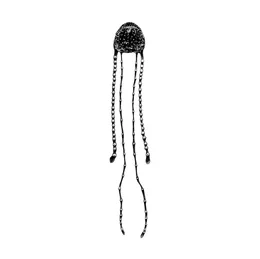
The Irukandji jellyfish (Carukia barnesi) is tiny (1–2 cm) but extremely venomous. Its sting may go unnoticed at first, but within 20–40 minutes, victims may develop Irukandji syndrome:
- Severe back and abdominal pain
- Muscle cramps, nausea, vomiting
- Dangerous spikes in blood pressure
- In rare cases, pulmonary oedema or brain haemorrhage
Australian Bluebottle Jellyfish
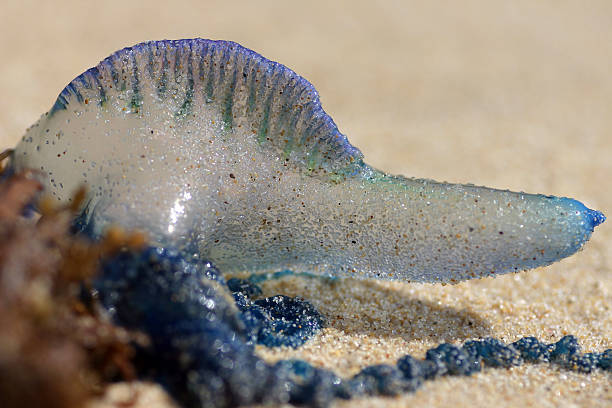
The bluebottle jellyfish (Physalia utriculus), also known as the Pacific man-o’-war, is common on eastern Australian beaches, particularly after easterly winds.
- Bluebottle stings cause intense burning pain and red welts lasting hours.
- While rarely fatal, severe reactions can occur in children, people with allergies, or heart conditions.
Immediate First Aid Steps After a Sting
Step 1 – Get Out of the Water
For safety, remove the victim from the water immediately. This prevents further stings and reduces the risk of drowning.
Step 2 – Vinegar vs Seawater Rinse
- Box jellyfish & Irukandji stings: Douse the area with vinegar to neutralise stinging cells.
- Bluebottle stings: Rinse with seawater (never fresh water, as it can worsen the sting).
Step 3 – Immerse in Hot Water or Analgesia
Immerse the sting site in hot water (45°C) for up to 20 minutes to relieve pain. Where hot water is not available, use a cold pack. Analgesia (paracetamol, ibuprofen) can also assist with ongoing pain.
Step 4 – When to Call Emergency Services
Dial 000 immediately if:
- The person has been stung by a box jellyfish or Irukandji.
- They experience breathing difficulties, chest pain, or collapse.
- Symptoms worsen despite first aid.
Apart from these steps, it is always good to learn relevant skills that can help during an emergency. This includes the ever important CPR. Consider enrolling in CPRFA’s  HLTAID009 Provide Cardiopulmonary Resuscitation course to be prepared for emergencies.
Prevention Tips Before Going in the Water
- Swim at patrolled beaches with lifesavers present.
- Wear a stinger suit for full-body protection in high-risk regions.
- Avoid unpatrolled waters during stinger season (October–May).
- Do not swim if bluebottles are washed ashore or after strong onshore winds.
- Follow local signage and Surf Life Saving advice.
Aftercare & Recovery Advice
Most marine stinger stings resolve within hours to a few days, but proper aftercare can significantly reduce the risk of complications and improve comfort during recovery. Following through with these measures is just as important as the initial jellyfish sting treatment.
Pain Relief
After the initial hot water treatment (45°C) recommended in first aid, some victims may continue to feel burning or throbbing pain for several hours. To manage this discomfort, reapply hot water immersion as needed or use cold packs when hot water isn’t available.
Over-the-counter analgesics such as paracetamol or ibuprofen can also help ease pain and inflammation. For children or those with underlying health conditions, always check with a healthcare provider before giving medication.
Infection Prevention
Marine stinger stings can break the skin, leaving it vulnerable to bacteria from the ocean or scratching. To prevent infection, gently clean the affected area with mild soap and fresh water once the immediate first aid has been completed.
Avoid rubbing or scratching the welts, as this can worsen irritation and increase the risk of secondary infections. Keeping the sting site dry and uncovered where possible will also support healing.
Monitor Symptoms
Even when the pain improves, it is important to monitor symptoms closely for 24–48 hours. If the sting site becomes increasingly red, swollen, or pus-filled, this may indicate infection and requires medical review.
More serious warning signs include persistent pain, breathing difficulties, dizziness, or chest tightness, which can suggest complications from box jellyfish or Irukandji stings. When in doubt, seek immediate medical advice — especially in Australia, where hospitals are equipped to deal with severe marine stinger first aid cases.
When to Get Medical Help & What to Expect
- Box jellyfish stings: Require urgent hospital treatment due to high fatality risk.
- Irukandji stings: May show delayed symptoms (20–40 minutes later). Always seek medical review even if pain seems mild.
- Bluebottle stings: Usually mild, but emergency care is needed if symptoms spread or an allergic reaction develops.

FAQs on Marine Stinger Stings
Can a blue bottle jellyfish kill you?
Fatalities are extremely rare, but serious allergic reactions can occur. Most people recover with blue bottle sting home remedy treatments like hot water immersion.
Is vinegar good for all jellyfish stings?
No. Vinegar is only recommended for box jellyfish and Irukandji. For bluebottles, use a seawater rinse instead.
How long does jellyfish sting pain last?
Pain from a bluebottle sting usually lasts 1–2 hours, while box jellyfish or Irukandji stings may cause prolonged pain and require hospitalisation.
What should I carry to the beach in Australia?
A small first aid kit with vinegar, knowledge of CPR, and awareness of the nearest lifesaving station.
Conclusion
Marine stingers are part of Australia’s natural environment — from the deadly box jellyfish and tiny Irukandji to the painful bluebottle. By understanding their risks, following prevention strategies, and knowing the right marine stinger first aid, you can stay safe in the water.
Respect the ocean, be prepared, and enjoy Australia’s stunning coastline with confidence.