

There is no shortage of spider species in Australia. With over 2,000 species, the idea is enough to make one’s skin crawl as creepily as these arachnids’ legs do.
Although many Australian species exist, only a handful are lethal to people. The redback and the funnel web spider are the most dangerous spiders worldwide. The two species share a common trait of having deadly bites.
Naturally, the question comes to mind: which of the two is more dangerous?
It is time to shine the spotlight on these two species and see which one is most dangerous.
The Tale of the Web: Red Back Spiders
Physical Characteristics
Before we discuss which spider of the Australian spiders is the most dangerous, let’s familiarise ourselves first with the contenders, starting with the redback species.
This species is black, with a particular shine or sheen to its bodies. On its back is a red mark in the shape of an hourglass. This is where it gets its name, allowing it to be easily identified.
Their legs are pretty long, and their bodies lean more towards a round shape. In terms of size, females are more significant than their male counterparts. The female funnel-web spider can reach up to 10 millimetres in length, while the male grows to just about four millimetres.
Lifespan
Size isn’t the only thing that females have more of. They also live longer. The females can live for two to three years. In that time, they are capable of spawning thousands of children. Male redbacks, on the other hand, have a lifespan of just above six months. Their lives are likely cut short when their mates kill them after mating.
What eats redback spiders? Several bird species are known to hunt and eat the redback. Apart from that, several spider species are also known to catch and kill them.
Venom
Here are some interesting facts about the redback spider’s venom. The final advantage the female variation has over the males is the venom. Only female bites are deemed lethal and venomous.
These spiders are found in many parts of the home and are much closer to people. This is why the number of reported bites is significantly higher than for other spiders.
With that said, though, bites from this species are rare. Upon encountering a human, they will likely try to flee and even play dead by laying on their back and crumpling up their legs.
However, caution must still be taken with them. One nasty bite can result in death for children and adults.
Effects of the Bite
Many factors come into play when spiders bite a person. The symptoms and progression of an untreated bite may differ for each person. However, there are several common spider bite symptoms.
For starters, intense pain and swelling will become apparent on the area bitten. If left untreated, this pain will creep throughout the whole limb or body part.
In some cases, people start to sweat. This sweat may occur on the bitten part of the body only or on other body parts unassociated with the bite.
After about an hour, the person may begin to feel nauseous and start vomiting. Headaches can also accompany these symptoms.
Cause for Alarm
A bite from a red back may not be an immediate emergency. In many cases, very little to no symptoms will arise. However, it is still prudent to have someone around to accompany and observe you if any symptoms do manifest. If they do, make your way to the hospital so they can administer antivenom and medical care.
It is different for children, though, as the bites from these spiders have an increased chance of being fatal.
One final caveat is that some people may be allergic to sure bites. This could lead to an allergic reaction that could lead to anaphylactic shock or anaphylaxis, which could prove fatal and should be treated immediately.
The Tale of the Web: Funnel Spider
This species currently holds the distinction of being the world’s deadliest spider. It has also joined the Guinness Book of World Records as the most evil spider.

Physical Characteristics
This species got its name from the shape of the web they create. As the name suggests, their webs are shaped like funnels, and they lie in wait inside. Once an insect goes to the entrance, the venomous arachnid leaps out and captures its unsuspecting prey.
The colours of their bodies range from black to brown, with their carapace having a glossy shine. The bodies are also rigid on the couch. Additionally, the carapace is usually covered in tiny hairs.
The size of the funnel web spider can range from one to five centimetres, with males being lighter than their female counterparts.
Venom
As opposed to the red back, the male takes centre stage regarding lethality. The male Sydney funnel web spider is the only one responsible for all recorded deaths, with the last in 1981. Since the antivenom has been produced, no more deaths have been recorded.
Despite that, people worldwide are still wary of this spider’s danger.
Regarding habitats, they usually reside in moist forest regions and the highlands. One would usually find them burrowed underneath logs, rugs, and holes they burrowed into. Caution should be taken around gardens and places with abundant shrubbery.
Effects of the Bite
A bite from this spider, starting from the head, will have people drooling and seeing double. Within minutes, they will also have difficulty swallowing and a tingling sensation around their lips.
People may also feel muscle and joint pains, with spasms commonly attacking the legs and stomach. Waves of nausea, vomiting, and diarrhoea will also come, dehydrating the victims.
The nervous system is similarly afflicted with bouts of headache, shivering, and confusion.
Finally, the bite from this venomous spider could lead to a rapid heart rate and, eventually, shock.
For children, death may come as quickly as 15 minutes after the bite. This period changes and can go up to three days for older victims.
12th Round Decision
After examining all the facts, it is time to decide which spider is more dangerous. Unfortunately, the answer is not so simple and largely depends on how we look at the question.
The funnel web spider delivers a knockout blow regarding raw power or lethal envenomation. No other spider comes close.
However, one could argue for the redback spider’s side. This is because they live closer to people and bite more people on average. This increased frequency could result in more deaths on average, as more people allergic to the redback’s venom could be affected.
Taking both sides in, the decision is a draw.
Get Ready to Rumble
While pitting two dangerous spider species against one another has been entertaining and educational, people—especially those living in or visiting Australia—should always stay prepared if they encounter any of them.
Preparing for any spider bites, especially those as dangerous as these two, can spell the difference between life and death. Other spiders also give painful bites that require proper treatment.
One of the best ways to do this is to learn the proper first-aid practices for spiders.
Today, learn all that and more life-saving skills by taking CPR First Aid’s Liverpool courses. One good course CPRFA offers is the HLTAID011 Provide First Aid course. This course teaches a whole slew of skills that can not only help with spider bites, but many more injuries and conditions. Apart from that, there is also a CPR refresher course, childcare first aid courses, and advance first aid courses just to name a few.
Other Spiders in Australia
While some may consider the following species not very dangerous, their bites may still be painful. So, knowing more about them and learning the proper treatment for their bites is helpful.
Orb-Weaving Spiders
Orb weaver spiders have 100 species under this name (Family: Araneidae, Super Family: Araneoidea, Order: Araneae). St. Andrew’s cross spider (Argiope), Nephila Plumipes, Garden orb weaving spiders (Eriophora sp./Eriophora transmarina/Araneus), and golden orb weavers are a few examples. The common ones are stout, reddish-brown, or grey. Some also have a leaf-shaped pattern on their triangular abdomens. They are known for making wheel-shaped orb webs throughout Australia, such as Queensland and NSW. The Garden Orb Weavers (Eriophora biapicata and E. transmarina), famous for their sticky and wheel-shaped webs, live in Eastern and Southern areas.
Their bites may cause mild local pain, numbness, swelling, nausea, and dizziness. An ice pack, drinking water, or eating ginger may help. Seek medical attention if symptoms persist.
White-Tailed Spider
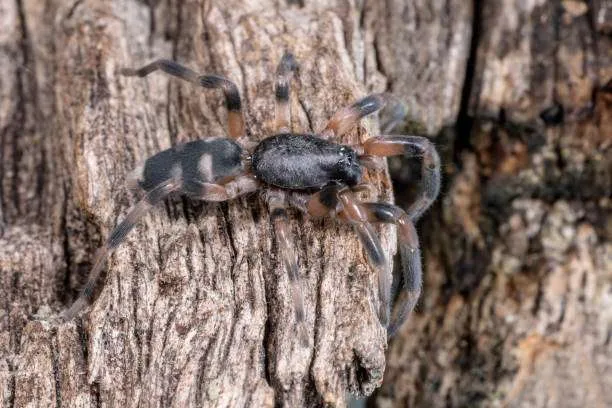
White-tailed spiders are dark reddish to grey, and their legs have dark orange-brown bands. This species lives in southern and eastern Australia.
Initial burning pain, swelling, and itchiness are possible effects of its bites. Applying an ice pack may help, and remember to see your doctor if your skin blisters or ulcerates.
Huntsman Spider
Australian huntsman spiders, called ‘Tarantula,’ are large, long-legged species primarily grey to brown. Other species, such as Isopeda, Isopedella, and Holconia, have flat bodies that allow them to adapt to narrow spaces. This is why many females lay their egg sacs under bark or rock, moisten them, and help their spiderlings emerge. They are widely spread throughout Central Australia and the rest of the country. They eat flying insects and other invertebrates by catching them in their spider webs.
Their bites may cause local pain, which a cold pack may relieve.