
SEO Key Takeaways – Online First Aid Training in Australia
-
First Aid Training Importance: Essential for parents, teachers, employees, and community members, providing skills to respond to medical emergencies such as CPR, choking, burns, and cardiac arrest.
-
Modes of Training: Options include traditional in-person, fully online theory, and blended learning combining online theory with practical sessions.
-
Online Training Benefits: Offers flexibility, accessibility, and cost savings, making it ideal for remote learners, busy professionals, and rural communities in Australia.
-
Hands-On Skills Limitation: Online-only courses cannot fully replace practical training, particularly for CPR, AED use, and recovery positions.
-
Certification Considerations: For workplace compliance, nationally recognised RTO-accredited certification with a practical component is required in Australia.
-
Blended Learning Advantage: CPR First Aid’s blended courses combine flexible online theory with in-person practical skills, delivering both convenience and competency.
-
Cost & Time Efficiency: Online learning reduces travel, course fees, and lost work time, while still meeting first aid compliance standards.
-
Keeping Skills Current: Online platforms allow rapid updates to course content, ensuring adherence to the latest ARC guidelines and safety standards.
-
Choosing the Right Course: Key factors include RTO accreditation, practical skills inclusion, course duration, and learning preferences.
-
Training Refresh Recommendations: ARC advises renewing CPR annually and full first aid training every three years to maintain readiness.
First aid training is an important skill for people in every walk of life — parents and teachers, employees in businesses, and members of communities. Being in a position to respond quickly and correctly in case of an emergency can be the difference between life and death. First aid training has been traditionally done face-to-face, giving participants real hands-on experience with certified trainers guiding them.
In recent years, though, the uptake of online first aid training has exploded in Australia. Online learning’s flexibility, accessibility, and convenience have made it an attractive option to classroom-based learning. But with this change comes the vital question: is online training as good as learning in person?
This article discusses the benefits and pitfalls of learning first aid online, various learning options, and how to pick the appropriate training mode for your needs.
Overview of First Aid Training
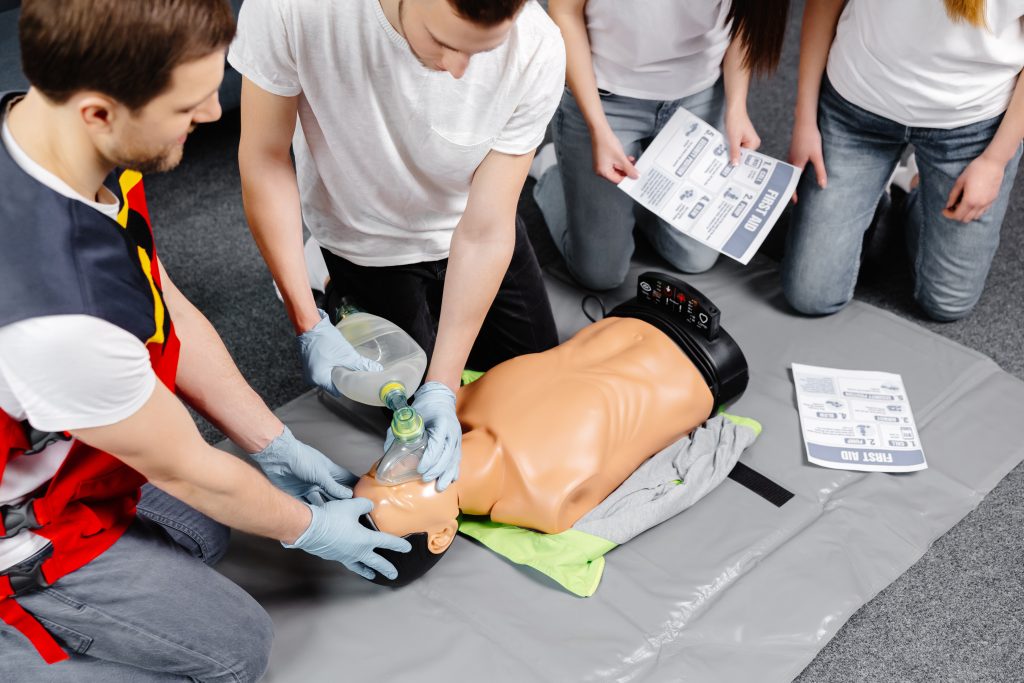
First aid training provides one with knowledge and skills to act in the event of a medical emergency. Such emergencies vary from general slight injuries like small cuts and scrapes, to severe ones like burns, choking, cardiac arrest, or major bleeding.
In Australia, first aid courses are often aligned with nationally recognised units of competency, such as:
 HLTAID009 Provide Cardiopulmonary Resuscitation (CPR)
- HLTAID011 Provide First Aid
- HLTAID012 Provide First Aid in an Education and Care Setting
 HLTAID009 Provide Cardiopulmonary Resuscitation (CPR)
Core topics typically include:
- Wound care and bleeding control
- Choking response
- Recognising and managing strokes and heart attacks
- Burns treatment
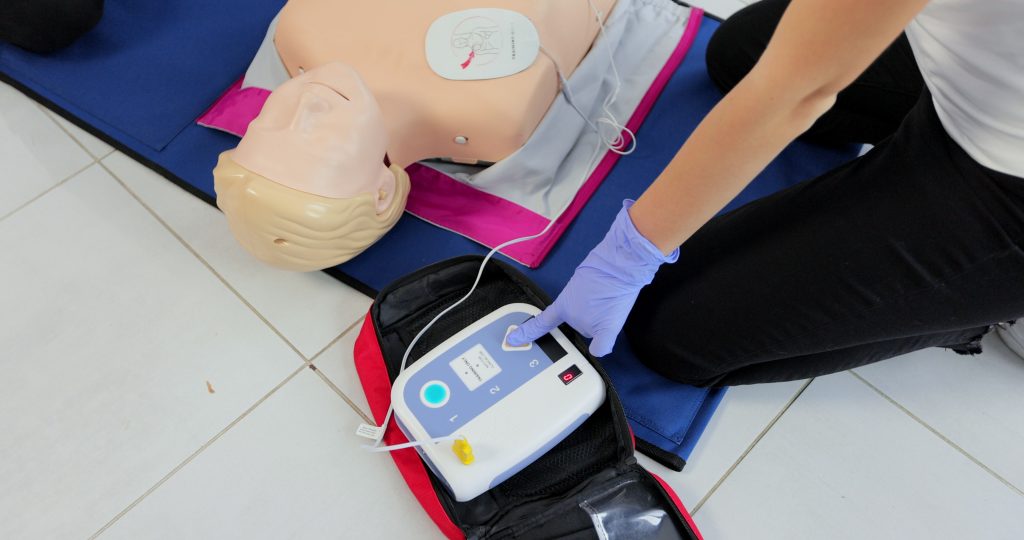
- Using an Automated External Defibrillator (AED)
- Performing CPR in accordance with Australian Resuscitation Council (ARC) guidelines
For certain professions — such as healthcare, childcare, teaching, and construction — accredited first aid qualification is legally mandated.
Different Modes of Training
While face-to-face training remains the traditional method, online learning alternatives have grown enormously, particularly after the COVID-19 pandemic when physical attendance was limited. Presently, students can opt for:
- Fully Online Courses — covering theory only, without physical practice.
- Blended Learning — combining online theory with a short in-person practical session.
- Traditional In-Person Training — both theory and practical taught on site.
Each format has its own strengths and limitations.
The Pros of First Aid Training Online
1. Convenience and Flexibility
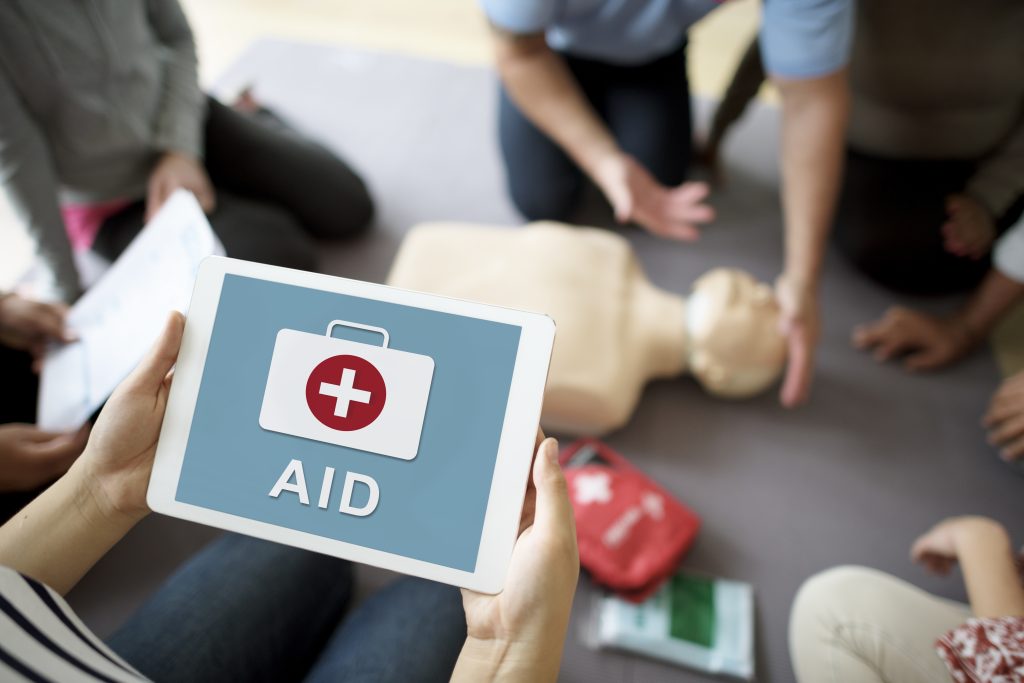
Online training allows learners to complete modules at their own pace, from the comfort of their home or workplace. This is particularly beneficial for:
- Busy professionals
- Parents with family commitments
- People living in rural and remote parts of Australia
Without the need to commute or commit to fixed training dates, participants can schedule learning around personal and professional obligations.
2. Accessibility for Remote Areas
For rural and remote communities in Australia, the travel to a face-to-face training location can be considerable time and expense. Online first aid training obviates the need to travel, so important life-saving information is available to all, wherever they may be.
3. Cost-Effectiveness
Online courses generally have lower overheads, which means they can be offered at a reduced price compared to traditional in-person classes. Learners save on:
- Course fees
- Travel costs
- Potential lost income from taking time off work
For workplaces, this can translate into significant savings while still meeting compliance obligations.
4. Up-to-Date Information
Since online courses can be updated easily, they can have the most current ARC guidelines, medical studies, and safety standards sooner than written training manuals.
5. Comfortable Learning Environment
Certain students are intimidated by classroom environments, particularly when practicing skills in front of others. Online learning provides a more informal setting in which students can learn theory without stress.
The Cons of First Aid Training Online
1. Limited Hands-On Practice
Practical skills like CPR, recovery position, and AED application are dependent on muscle memory. Without hands-on practice on a manikin or actual equipment, students would feel less confident in the application of their knowledge in an actual emergency.
2. Certification Limitations
Not all first aid courses online offer nationally recognized certification. For compliance in the workplace in Australia, certification must typically issue from a Registered Training Organisation (RTO) such as CPR First Aid (RTO 21903) and encompass a practical skills assessment.
3. Less Instructorman Interaction
Although numerous online courses include support by email or discussion boards, they do not provide immediate, two-way interaction possible in a classroom environment.
4. Possibility of Distractions
Self-directed online learning requires commitment. Domestic setups may provide distractions like domestic tasks, family members, or multitasking.
Comparison: Online vs In-Person First Aid Training
| Feature | Online | In-Person |
| Flexibility | High | Low–Medium |
| Accessibility | Excellent for remote learners | Depends on location |
| Practical Skills | Limited | Strong |
| Certification Recognition | May vary | High (if from RTO) |
| Cost | Often lower | Higher (includes venue, equipment) |
| Interaction with Trainer | Limited | Immediate and direct |
CPR First Aid’s Blended Learning Option
To fill the gap between competency and convenience, CPR First Aid provides blended learning — integrating web-based theory with a brief, in-class practical session at one of our training locations around Australia. This way, students:
- Access theory modules flexibly online
- Practice core hands-on skills with qualified trainers
- Gain nationally recognized certification
Tips for Choosing the Right First Aid Course
- Check Accreditation — Ensure the course is delivered by an RTO and meets ARC guidelines.
- Consider Your Needs — If workplace compliance is required, opt for blended or in-person learning.
- Assess Your Confidence — If you’re new to first aid, hands-on practice may be essential.
- Look for Course Inclusions — Some providers include free refresher materials or additional resources.
FAQ: Online First Aid Training in Australia
Q1: Can an online first aid course be nationally recognised?
Yes — but only if delivered by an RTO and includes a practical assessment component.
Q2: How long does online first aid training take?
Theory components can be completed in 2–6 hours online, followed by a short practical assessment for blended courses.
Q3: Is CPR taught in online courses?
Yes, but for certification, a physical skills assessment on a manikin is required.
Q4: Can I use an online-only certificate for work?
Usually no — most Australian workplaces require nationally recognised certification that includes a practical assessment.
Q5: How often should I refresh my first aid training?
The ARC recommends renewing CPR skills every 12 months and full first aid training every 3 years.
Conclusion
No matter if you opt for online, blended, or classroom first aid training, the mission is the same — being ready to act decisively in the event of an emergency.
For people in isolated areas or with hectic schedules, online training is the most convenient. Yet, for workplace need and assurance in practical skills, blended or classroom training is usually the preferred option.
CPR First Aid provides a range of accredited training options across Australia, ensuring that every learner — regardless of location — can gain life-saving skills.
Explore CPR First Aid’s courses today.