
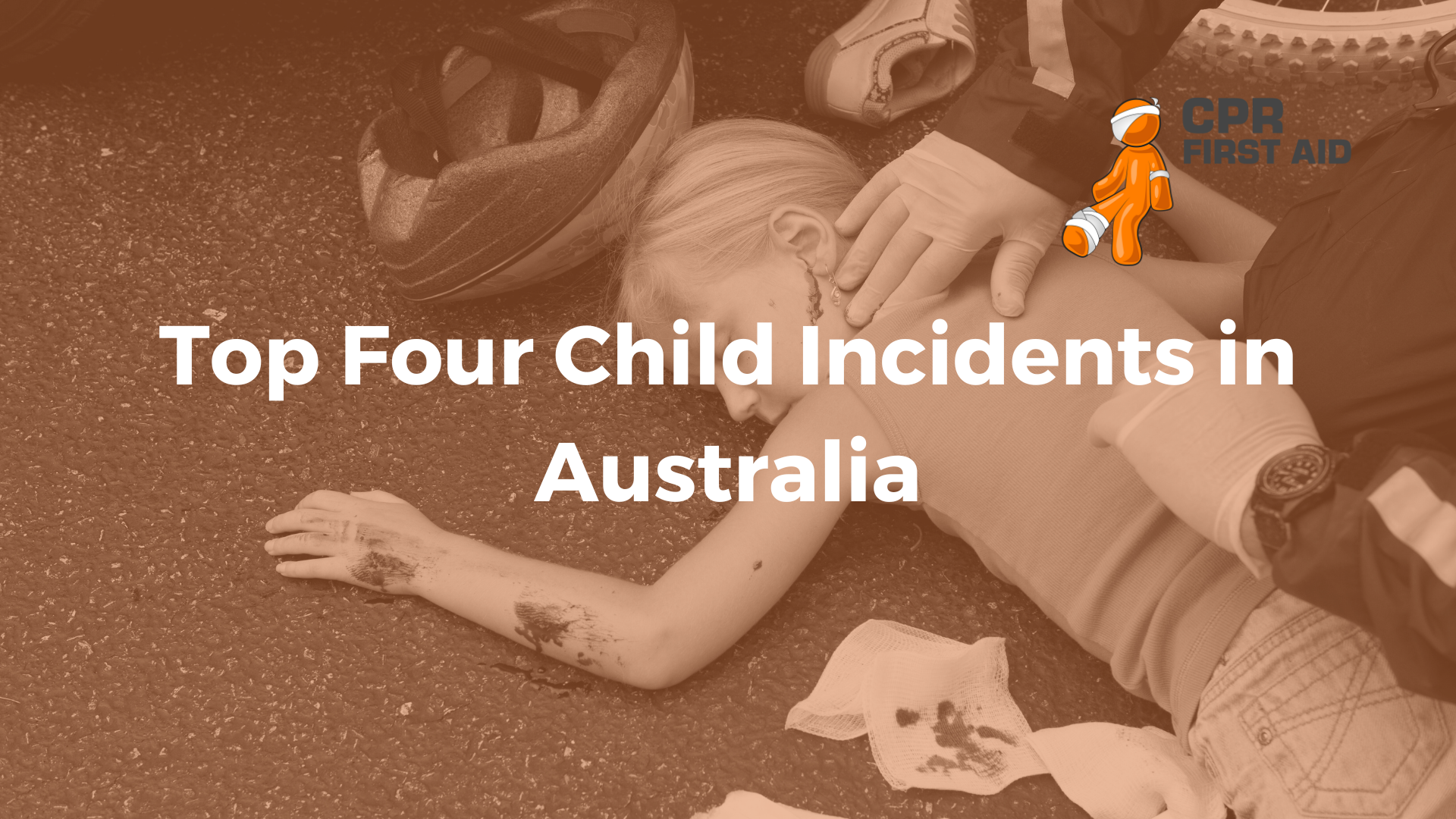
Childhood injuries remain a major public health concern across Australia. According to the Australian Institute of Health and Welfare (AIHW), injuries account for a significant proportion of hospitalisations and deaths among children aged 0 to 14.
Falls continue to be the leading cause of child hospitalisations, followed by land transport accidents, accidental poisoning, and choking or related hazards such as drowning and submersion. These incidents can occur in homes, childcare centres, playgrounds, schools, and public spaces.
The Raising Children Network, recommends that anyone responsible for a child should complete a recognised first aid course, keep a well-stocked first aid kit accessible, and familiarise themselves with illustrated first aid guides. These simple steps form the foundation of effective child safety and emergency response.
Falls – The Leading Cause of Child Injury
Australian Statistics on Child Falls
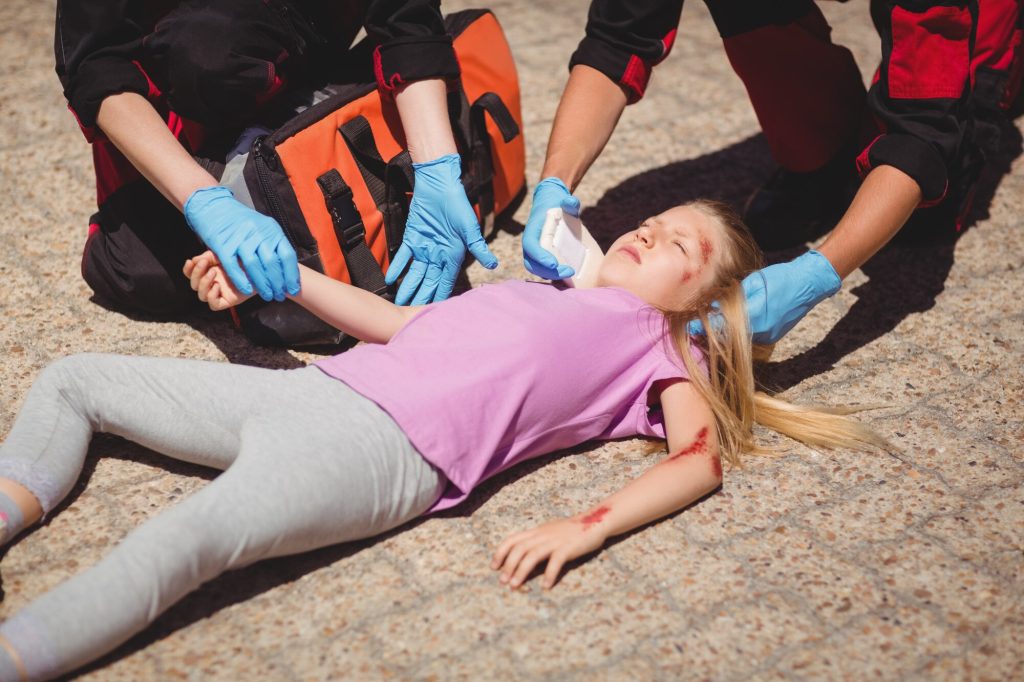
AIHW identifies falls as the top child incident in Australia, accounting for almost half of hospitalised injury cases during the 2016–2017 period. Approximately 30,600 children were hospitalised due to falls, representing around 40% of all child injury admissions. Falls affect children of all ages, but the risk is particularly high among toddlers and younger children who are still developing balance, coordination, and hazard awareness.
In addition, injury deaths make up 33% of all deaths among children aged 1 to 14, with boys experiencing a higher injury-related death rate than girls. These figures highlight why child fall prevention tips are critical in both home and education settings.
At-Home vs Playground Scenarios
Falls commonly occur in domestic environments, including from beds, stairs, windows, and furniture. In childcare centres and playgrounds, falls often involve climbing equipment, swings, slippery surfaces, or uneven ground. While safety standards exist for playground design, supervision remains the most important protective factor.
Prevention Strategies for Falls
Effective child fall prevention relies on a combination of supervision, environmental controls, and education. At home, this includes installing stair gates, securing windows, anchoring heavy furniture, and using non-slip mats in bathrooms. In childcare settings, regular equipment checks, soft-fall surfaces, and age-appropriate play zones are essential.
Parents and carers should also model safe behaviour and teach children simple safety rules as they grow. These strategies align with national injury prevention guidance and significantly reduce the risk of serious harm.
First Aid Steps After a Fall
When a fall occurs, knowing how to respond is crucial. First aid may involve checking for signs of head injury, immobilising suspected fractures, and monitoring the child for changes in behaviour.
Land Transport Accidents
Key AIHW Data
Land transport accidents are the second leading cause of serious injury in Australian children, accounting for around 6,100 hospitalisations or 9% of injury cases during the same reporting period. These incidents include car crashes, bicycle accidents, pedestrian injuries, and incidents involving scooters or other wheeled devices.
Car-Seat and Road-Safety Considerations
Correct use of age-appropriate child restraints is one of the most effective ways to reduce injury severity. Australian road safety laws require the use of approved child car seats or booster seats based on age and size. However, incorrect installation or premature progression to adult seatbelts remains a common issue.
Beyond vehicles, road-safety education plays a key role. Teaching children how to cross roads safely, wear helmets, and remain visible can significantly reduce risk, especially in school zones and rural areas.
Emergency Response and Child CPR
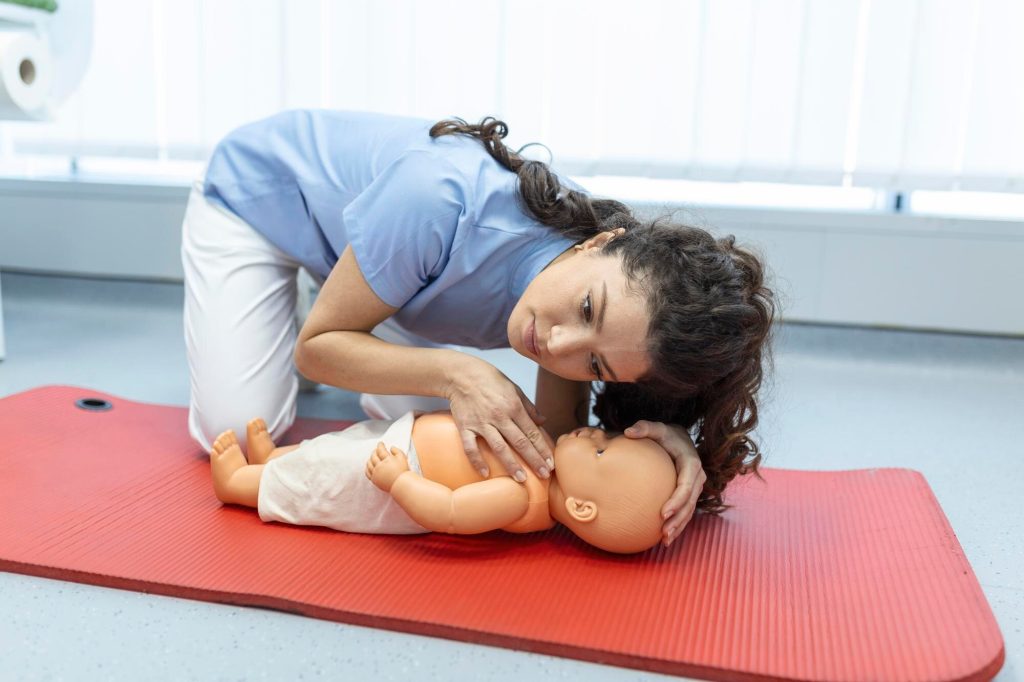
In severe transport accidents, early intervention can save lives. Skills such as airway management, bleeding control, and cardiopulmonary resuscitation are critical. Enrolling in a CPR course ensures carers are prepared to respond to life-threatening emergencies involving infants and children before expert arrive.
Accidental Poisoning

Accidental Poisoning Children Statistics in Australia
AIHW reports that accidental poisoning accounts for approximately 2,000 child hospitalisations, representing around 3% of injury cases. Young children are particularly vulnerable due to their natural curiosity and tendency to explore objects by putting them in their mouths.
Common hazards include medications, cleaning products, pesticides, cosmetics, and even certain poisonous plants. These incidents often occur in familiar environments, reinforcing the importance of proactive prevention.
Poisoning Prevention at Home
Preventing child poisoning starts with secure storage. Medications and chemicals should be kept locked away, out of sight and reach. Original containers with clear labels should always be used, and outdated or unused medicines disposed of safely.
Education is also vital. Children should be taught, as early as possible, that medicines are not lollies and that unknown substances should never be touched or consumed.
What to Do if Poisoning Occurs
If poisoning occurs, immediate action is essential. First aid steps may include removing the substance, checking the child’s airway and breathing, and contacting the Poisons Information Line or emergency services.
Choking and Other Serious Hazards
Choking Risks and Common Causes
Choking is a leading cause of injury and death in young children, particularly those under five years of age. Food items such as grapes, sausages, nuts, and hard lollies are frequent choking hazards, along with small toys and household objects.
AIHW data also highlights drowning and submersion as significant contributors to child injury deaths, particularly among children aged 0 to 4, where these incidents account for approximately 40% of cases.
Prevention Techniques
Effective choking prevention includes age-appropriate food preparation, active supervision during meals, and strict adherence to toy safety guidelines. Water safety measures such as pool fencing, constant supervision, and swimming education are equally important in preventing drowning incidents.
Step-by-Step Choking First Aid
When choking occurs, seconds matter. Knowing how to perform age-specific back blows, chest thrusts, and CPR can be lifesaving.
Why Paediatric First Aid Matters in Australia
Regardless of how careful you are, child incidents may still occur. Being prepared through education and training is one of the most effective ways to protect children and reduce long-term harm. Training.gov.au outlines the nationally recognised competency HLTAID012 Provide First Aid in an Education and Care Setting, which describes the skills required to provide first aid to infants and children in line with Australian Resuscitation Council guidelines.
This course is a workplace requirement in many education and care environments under the Work Health and Safety Act 2011. It equips participants with practical skills applicable at home, in childcare centres, schools, and community settings.
Frequently Asked Questions
What Age Are Children Most at Risk of Falls?
Children aged 0 to 4 are at the highest risk due to developing motor skills and limited hazard awareness. However, falls remain common across all childhood age groups.
How Often Should I Update My First Aid Training?
Australian guidelines recommend renewing first aid and CPR training every 12 months to ensure skills remain current and effective.
Conclusion
The top child incidents in Australia include falls, land transport accidents, accidental poisoning, choking, and related hazards such as drowning and submersion. AIHW data clearly shows that these incidents account for a substantial proportion of child injuries and deaths nationwide. While not all incidents are avoidable, their impact can be significantly reduced through prevention strategies and timely first aid response.
Completing recognised training such as HLTAID012 Provide First Aid in an Education and Care Setting equips parents, teachers, and childcare workers with essential skills to respond effectively. By combining education, supervision, and preparedness, Australians can create safer environments for children at home, in care, and across the community.