
Key Takeaways: Venomous Fish and Ocean Safety
-
Stonefish are the most venomous fish in the world, with spines capable of causing extreme pain and life-threatening complications.
-
Lionfish and zebra fish are dangerous despite their beauty, with venomous spines that lead to swelling and painful stings.
-
Scorpionfish and weever fish rely on camouflage, making them hard to see and increasing the risk of accidental encounters.
-
Other venomous species include catfish, stargazers, and rabbitfish, often mistaken for harmless fish by swimmers and fishers.
-
Venomous fish stings cause severe pain, redness, and swelling, and can sometimes lead to infection, allergic reactions, or tissue damage.
-
Life-threatening symptoms such as breathing difficulties may occur, requiring urgent first aid and professional medical treatment.
-
Hot water immersion is the best immediate first aid for venomous fish stings, helping neutralise venom and reduce pain.
-
Wearing protective footwear and avoiding handling unknown fish are simple yet effective ways to prevent venomous stings.
-
CPR and first aid training are essential for ocean safety, ensuring quick and effective responses to venomous fish incidents.
-
Venomous fish play a key role in marine ecosystems, helping balance prey populations and offering potential medical research benefits.
The underwater world is home to various fascinating creatures, some of which possess venom that can harm humans. Venomous fish, in particular, are intriguing yet potentially dangerous inhabitants of our oceans and waterways. While encounters are rare, and most fish are perfectly harmless, knowing which ones to avoid can ensure a safe and enjoyable ocean experience.

Common Venomous Fish Species
Here are some of the more common venomous fish species you might run into:
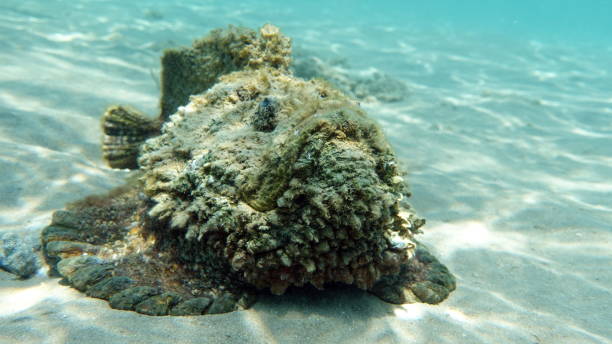
Stonefish
Stonefish are considered the most venomous fish in the world. They blend seamlessly with their surroundings to ambush prey. Their venomous spines can deliver a potent toxin, causing extreme pain and potentially severe complications if not treated promptly. They blend seamlessly with rocks and coral reefs, making them easy to step on accidentally.
Lionfish
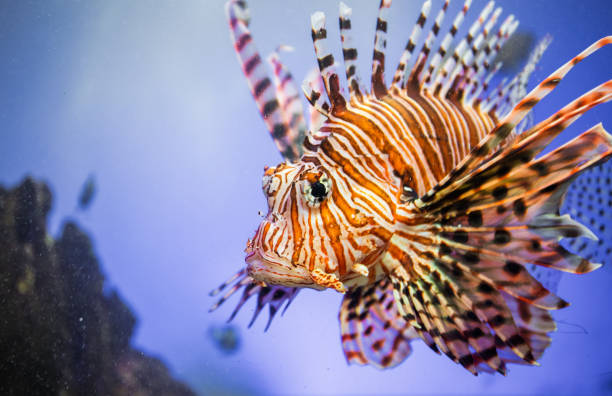
Lionfish are known for their striking appearance, adorned with long, flowing fins and vibrant colours. However, these beautiful fins conceal venomous spines that can cause intense pain, swelling, and even breathing difficulties.
Scorpionfish
Scorpionfish are closely related to stonefish and share their ability to camouflage effectively. They possess venomous spines that can deliver a painful sting, often resulting in swelling and localized tissue damage.

Weever Fish
Weever fish are found in sandy or muddy seabeds of coastal waters. Their dorsal fins and gill covers have venomous spines that can cause severe pain and inflammation if stepped on or handled.

Catfish
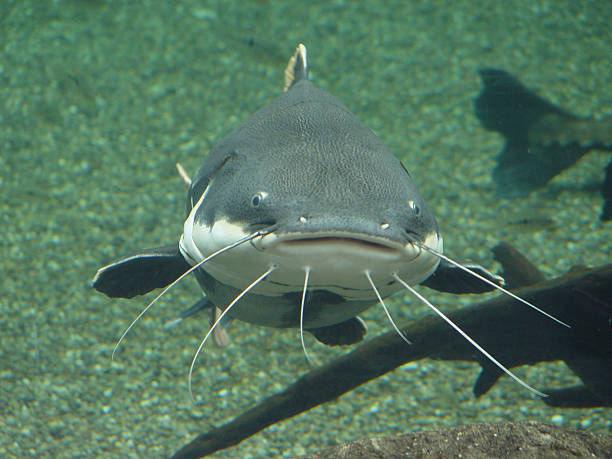
The surprising fish on the list are not fish, but certain species of catfish, especially those found in tropical and subtropical regions, have venomous spines, particularly those with sharp pectoral or dorsal fins. These spines can cause painful injuries and, in rare cases, more severe reactions.
Stargazer Fish
Stargazer fish are named for their upward-facing eyes and mouth. They have venomous spines located on their pectoral fins and gill covers. Additionally, some species can deliver electric shocks to stun prey or defend against predators.

Foxface Rabbitfish
Foxface rabbitfish are popular in home aquariums due to their unique appearance. However, their dorsal spines contain venom that can cause painful stings, so careful handling is essential.

Zebra Fish
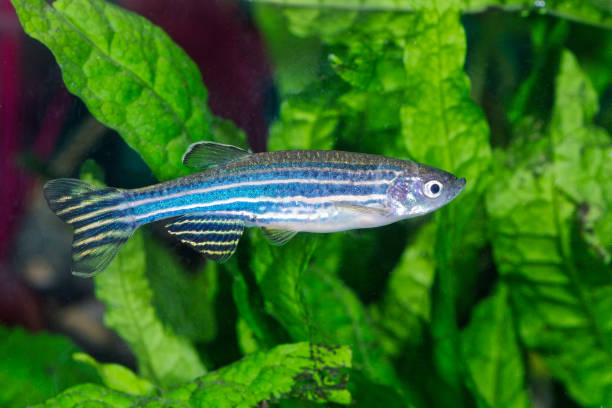
Zebrafish, also known as lionfish, is another venomous fish with distinctive striped patterns. Looks can be deceiving; even this kind of fish can possess venomous spines that can cause significant pain and swelling.
Toadfish
Toadfish are known for their croaking sounds, which they produce to attract mates. Their dorsal fins have venomous spines that can cause painful stings, often resulting in localized reactions.

Rabbitfish
Rabbitfish are named for their rabbit-like faces. They have venomous spines that can cause painful stings and are commonly found in coral reefs and rocky coastal areas.

Characteristics Of Venomous Fishes
How can you identify a potentially venomous fish? Here are some common characteristics:
Camouflage And Appearance
Many venomous fish have evolved to blend into their surroundings, making them difficult to spot. Their camouflage helps them ambush prey and avoid predators. For example, stonefish and scorpionfish are some species that are masters of disguise, as they can hide from the rocks and coral they inhabit.
Venomous Spines And Fins
Venomous fish typically have specialized spines or fins that deliver venom when they encounter a threat. These spines are often located on the dorsal fin, pectoral fin, or gill covers. The venom can vary in potency and effect, depending on the species.
Habitats And Distribution
Venomous fishes are found in various habitats, from shallow coastal waters and coral reefs to deeper oceanic environments. Their distribution spans tropical, subtropical, and temperate regions, with some species adapted to specific ecological niches.
Effects Of Fish Venom On Humans
The effects of fish venom on humans can vary depending on the species and the severity of the sting. Here’s a general overview of what to expect:
Pain And Swelling
The most common effect of venomous fish stings is intense pain, often accompanied by swelling and redness at the site of the sting. The pain can be immediate and severe, lasting several hours or even days.
Potential Complications
Venomous fish stings can lead to other complications besides pain and swelling. These may include tissue necrosis, infection, allergic reactions, and systemic symptoms such as nausea, vomiting, and difficulty breathing. In rare cases, stings can be life-threatening. Consider taking a first aid course or undergoing CPR training to better respond to these complications.
Treatment And First Aid
Immediate treatment for venomous fish stings involves rinsing the affected area with hot water to neutralize the venom and alleviate pain. It is also crucial to remove any spines carefully and seek medical attention. Antivenom may sometimes be required, particularly for severe stings from species like stonefish.
Precautionary Measures
Preventive measures are essential to reduce the risk of venomous fish stings. These include wearing protective footwear when walking in shallow waters, avoiding handling unfamiliar fish, and being cautious when swimming or diving in areas known to harbour venomous species. Educating oneself about the local marine life before entering their habitat can also enhance safety.
Importance Of Venomous Fishes
Despite their potential danger to humans, venomous fish play a vital role in marine ecosystems. These fish act as natural predators, control prey populations and contribute to the biodiversity of their habitats by preventing them from overgrazing essential marine resources like coral reefs and algae beds. The study of their venom has also led to advancements in medical research, including the development of new painkillers and treatments for various conditions.
Conclusion
Venomous fish are fascinating and integral to the marine world. While their venom can pose risks to humans, understanding their characteristics, habitats, and the effects of their venom can help mitigate these risks. By taking appropriate precautions and respecting these remarkable creatures, we can safely coexist with them and appreciate their role in the ocean’s ecosystem.