
Key Takeaways – Fire Incidents & First Aid Response
- Common causes of fire incidents include cooking, heating appliances, faulty electrical wiring, smoking, candles, gas leaks, and lightning strikes (NFPA data).
- Cooking fires are the leading cause of home fire injuries and deaths, responsible for nearly half of reported home fires (2015–2019).
- Heating and electrical devices such as heaters, dryers, and poorly wired circuits can quickly spark preventable household fires.
- Smoking and unattended candles remain high-risk fire hazards, especially during holidays and festive events.
- Post-fire safety starts with securing the site, preventing weather damage, theft, or vandalism, and contacting landlords or insurers promptly.
- Check utilities and structural safety before re-entry; have gas, electricity, and wiring inspected by licensed professionals.
- Insurance claims move faster when you notify your provider quickly, document losses, and keep receipts for fire-related expenses.
- Temporary housing and essential items (ID, medications, valuables) should be prioritised if the home is unsafe to occupy.
- Notify family, employers, schools, and service providers after a fire to ensure continuity of communication and services.
- First aid and CPR training equip individuals with lifesaving skills during and after fire emergencies—booking a certified course improves workplace and personal safety.
A fire incident is any unexpected outbreak of fire that causes damage to property, injuries, or loss of life. Fires can start quickly and spread even faster, often triggered by everyday activities like cooking, using electrical appliances, or leaving candles unattended. In some cases, natural causes like lightning or gas leaks may also spark fires.
Understanding Post-Fire First Aid Needs
Providing first aid after a fire is crucial. Whether it is helping someone who has been burnt, dealing with smoke inhalation, or supporting someone in shock, early assistance can save lives and reduce long-term harm. Understanding fire first aid is essential to support anyone affected and to stabilise their condition until emergency services arrive. Having the right knowledge of fire first aid can reduce the severity of injuries and even save lives.
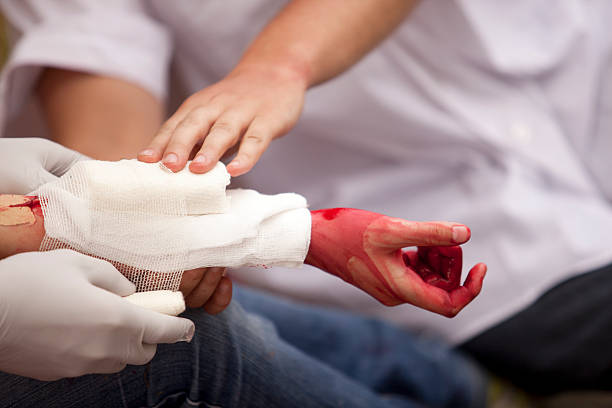
Common post-fire injuries include:
- Burn injuries of varying degrees
- Breathing difficulties from Smoke inhalation/ exposure
- Minor cuts, bruises or abrasion from escaping the fire or evacuation
- Shock, anxiety or confusion due to trauma
Immediate Steps After Fire Exposure
Knowing what to do in the moments following a fire is critical. The following steps outline effective first aid after fire exposure to protect health and minimise harm:
- Move yourself and others to a safe area with fresh air
- Check for injuries—burns, breathing problems, or signs of shock
- Begin basic first aid and call 000 if needed
Checking for Burns & Managing Pain
Following proper burn treatment steps helps reduce pain, prevent infection and support healing.
- Remove the person from the source of heat
- Apply cool running water to the burn for 20 minutes
- Do not use ice, creams, butter, or ointments as burn treatment
- Cover the burn loosely with a clean, dump cloth or towel
- Seek medical help for serious or widespread burns
Addressing Smoke Inhalation Risks
Smoke inhalation can cause serious breathing issues, even if there are no visible injuries.
Early smoker inhalation aid can prevent long-term lung damage and save lives. Here’s how to give effective smoke inhalation aid:
- Move the person to fresh air immediately
- Keep them calm and sitting upright
- Watch for signs like coughing, confusion, soot around the nose or mouth, or breathing difficulties
- Monitor their breathing and responsiveness
- If unconscious or struggling to breathe, call 000 and begin CPR if trained
Treating Shock and Emotional Distress
Shock is a common response to fire emergencies. It can affect both physical and emotional wellbeing. Emotional support after a fire is just as important as physical first aid after fire exposure. Encourage follow-up care and mental health support.
- Lay the person down if possible and elevate their legs slightly
- Keep them warm and comfortable
- Reassure them calmly and stay with them
- Avoid giving them anything to eat or drink
- Seek medical help immediately as shock can worsen quickly
Safety Considerations at Scene
Before offering help after a fire, it is essential to make sure the area is safe for you and others. Entering a fire-damaged space without caution can lead to further injuries. Staying alert and following these fire safety tips can help prevent further harm while assisting others or assessing damage. Here are some key fire safety tips to follow at the scene:
- Wait for the all-clear from fire authorities before going back inside
- Be aware of potential dangers like hot surfaces, falling debris, or weakened structures
- Avoid touching electrical appliances or power points that may have been damaged
- Watch for gas leaks or the smell of chemicals—leave the area immediately if detected
- Wear protective gear if available, such as gloves, a mask, or sturdy shoes
- Keep exits clear and always have a quick escape route in mind
When to Call Emergency Services
Calling 000 (Triple Zero) is vital when someone’s life or safety is at risk. After a fire, it is not always obvious when to call for help, but it is better to be cautious than to delay care. Stay calm, follow instructions and do not hang up until advised to do so.
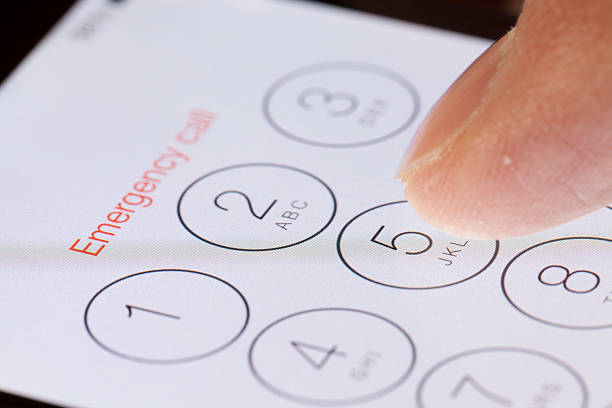
You should call emergency services if:
- Someone is unconscious, not breathing, or has severe burns
- There are signs of serious smoke inhalation, such as difficulty breathing, confusion, or blackened lips/nose
- A person is showing symptoms of shock (cold, pale skin, rapid breathing, weakness)
- The fire has damaged gas lines, electrical wiring, or the structure of the home
- There is visible fire or heavy smoke still present
- You feel unsafe or unsure about someone’s condition
Always give emergency responders:
- The exact location
- The number of people affected
- The type of injuries or symptoms
Follow-Up Care & Recovery Tips
Recovery does not stop once the fire is out. Physical and emotional impacts can appear hours or even days later. Ongoing care helps support long-term recovery and wellbeing. Recovering from a fire takes time, but with the right support, you can rebuild safely—physically, emotionally, and practically.

Physical Recovery
- See a medical professional, even for minor burns or smoke exposure. Complications can develop over time like signs of infection
- Replace or restock first aid supplies used during the emergency.
- If respiratory symptoms develop (coughing, chest tightness, wheezing), seek medical advice immediately
Emotional Recovery
- Do not ignore emotional wellbeing; mental health is a key part of recovery
- Reach out to a GP, psychologist, or counsellor for support
- Children may need extra comfort and reassurance—keep routines stable where possible
Practical Tips
- Keep a record of all medical treatments and expenses—these may be covered by insurance
- Stay connected with family, friends, or support services
- Consider attending a first aid or fire safety course to feel more confident in future emergencies
Conclusion
Fire incidents are sudden, frightening, and often overwhelming—but knowing what to do in the aftermath can make all the difference. From treating burns and smoke inhalation to supporting someone in shock, basic fire first aid can reduce harm and help save lives before emergency services arrive.
Always put safety first, check your surroundings before assisting others, and do not hesitate to call 000 if someone is seriously hurt or struggling to breathe. Taking a first aid and CPR course can give you the confidence to act quickly and effectively during a crisis.
This is an excellent opportunity to learn vital lifesaving skills that could one day help protect your family, loved ones and even at your workplace. We offer daily CPR training and first aid training.
Frequently Asked Questions (FAQs)
What should I do about damaged food, medicine or items?
- Throw away food, drinks, or medicines that were exposed to heat, smoke or soot
- If the power went out, do not refreeze anything that thawed
- Take photos of damaged items before throwing them out for insurance purposes
Where can I stay if my home is unsafe?
- Your insurer might cover the cost of a hotel or temporary housing
- Take essentials with you like:
- ID (passport, wallet)
- Medication
- Personal aids (glasses, hearing aids)
- Credit cards and valuables
How can I be better prepared in the future?
- Install and check smoke alarms regularly
- Keep fire blankets or extinguishers in the kitchen
- Do not leave cooking or candles unattended
- Get your wiring and appliances checked by a licensed electrician
- Learn first aid and CPR – it is a lifesaving skill