
SEO-Optimised Key Takeaways – Low Blood Pressure
-
Definition & Classification: Low blood pressure (hypotension) occurs when readings fall below 90/60 mm Hg, reducing blood flow to vital organs.
-
Common Symptoms: Dizziness, blurred vision, fatigue, nausea, and fainting are key indicators of hypotension.
-
Primary Causes: Dehydration, heart problems, endocrine disorders, medications, nutritional deficiencies, and pregnancy can all lower blood pressure.
-
Hydration as a Quick Fix: Drinking 2–2.5 litres of water daily helps maintain blood pressure, especially in hot Australian climates.
-
Dietary Adjustments: Eating smaller, frequent meals prevents post-meal blood pressure drops; moderate salt intake can provide a temporary boost.
-
Avoid Risky Behaviours: Avoid prolonged standing, rapid position changes, and excessive alcohol, as these can worsen hypotension.
-
When to Seek Help: Persistent dizziness, severe hypotension, dehydration symptoms, or chest pain require professional medical attention.
-
First Aid Readiness: Enrolling in CPR First Aid courses equips individuals to respond safely to fainting or low blood pressure emergencies.
-
Course Relevance: CPRFA courses cover CPR, childcare first aid, and advanced first aid, supporting both personal safety and community preparedness.
-
Lifestyle Management: Consistent hydration, balanced nutrition, and awareness of triggers are essential for daily hypotension management.
Low blood pressure can affect anyone, and when it does, knowing the quick remedies can make a significant difference in daily well-being. This article outlines low blood pressure, its symptoms and causes, instant remedies and first aid, and advice on when to seek professional help.
What is Low Blood Pressure?
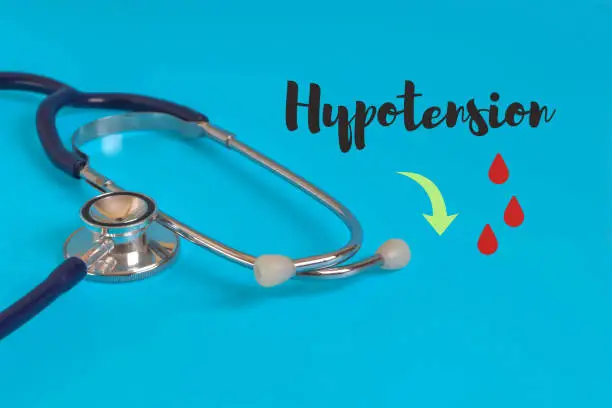
Hypotension is another name for low blood pressure. It occurs when the force of blood against the artery walls is too low, reducing blood flow to vital organs. Blood pressure is typically measured in millimetres of mercury (mm Hg), with readings below 90/60 mm Hg often classified as hypotensive.
What are the Symptoms of Low Blood Pressure?
Symptoms of low blood pressure can vary depending on its severity and cause. Common symptoms include:
- Dizziness or Lightheadedness: A drop in blood flow can lead to sudden dizziness, especially when standing up quickly.
- Blurred Vision: Due to insufficient blood flow to the eyes and brain, vision may blur.
- Fatigue: Feeling drained may indicate low blood pressure.
- Nausea: Hypotension can affect digestion, causing stomach discomfort.
- Fainting: In severe cases, low blood pressure may cause fainting spells.
What Causes Low Blood Pressure?
Low blood pressure can stem from various factors, including:
- Dehydration: In Australia, where hot climates are typical, dehydration from heat exposure or lack of water can quickly lower blood pressure.
- Medications: Certain medications for conditions like heart disease or depression can cause low blood pressure as a side effect.
- Heart Problems: Heart conditions such as weak heart muscle, low heart rate, or heart valve issues can lead to hypotension.
- Endocrine Issues: Hormone imbalances, including thyroid conditions and adrenal insufficiency, can lead to lower blood pressure.
- Nutritional Deficiencies: Lacking essential nutrients like vitamin B12 or iron can impact blood pressure levels.
- Pregnancy: Blood pressure may naturally drop during pregnancy due to hormonal changes and increased demand on the circulatory system.
Instant Remedies For Low Blood Pressure
While low blood pressure is generally manageable, some immediate remedies can help alleviate symptoms if they become problematic.
Stay Hydrated
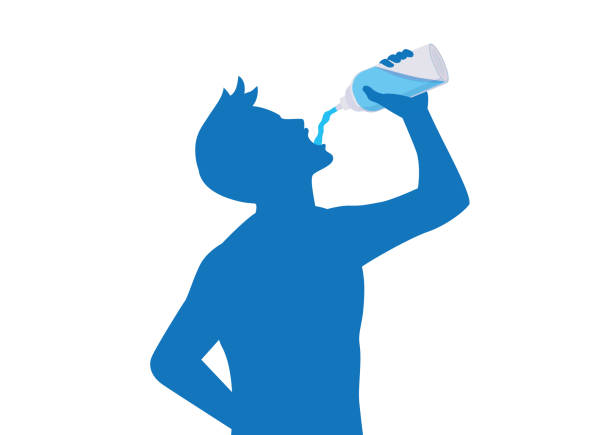
Drinking water is one of the quickest ways to raise blood pressure, especially when dehydration is a cause. Dehydration reduces blood volume, making it harder for the heart to pump blood efficiently. Australian health guidelines recommend drinking 2 to 2.5 litres of water daily, especially in warmer regions like Queensland or Western Australia.
Eat Small Frequent Meals
Large meals can temporarily lower blood pressure as more blood is diverted to aid digestion. Instead, eating smaller, more frequent meals keeps blood pressure steady and prevents post-meal drops.

Intake Salt
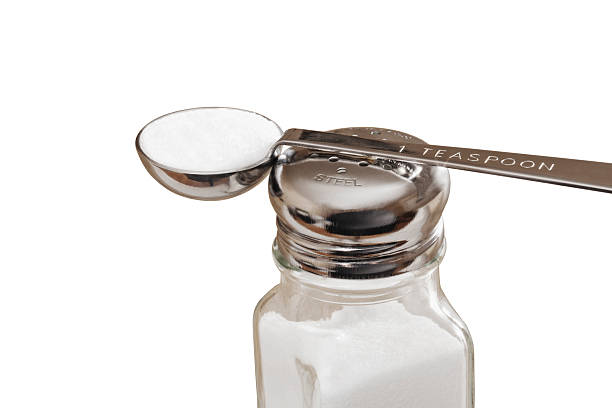
Salt contains sodium, which can help increase blood pressure quickly. Adding a pinch of salt to water or having a salty snack can raise blood pressure levels. However, it’s essential not to overdo it. According to the Australian health website Healthdirect, an adequate amount of sodium per day for adults is 460mg to 920mg (equal to 1.15g to 2.3g of salt per day).
What Not to Do If You Have Low Blood Pressure?
When managing low blood pressure, specific actions should be avoided:
- Avoid Prolonged Standing
Standing still for extended periods can worsen hypotension by causing blood to pool in the lower body, reducing flow to the brain. - Limit Alcohol Intake
Alcohol can dilate blood vessels and lower blood pressure further, so it’s best to limit or avoid it if you have hypotension. - Avoid Rapid Position Changes
Quickly changing from lying to sitting to standing can trigger sudden blood pressure drops, which can lead to dizziness or fainting.
When should you seek medical help for low blood pressure?
- Symptoms Persist
If dizziness, fainting, or fatigue continue for an extended period, consult a healthcare professional. - Severe Hypotension Occurs
It may be a medical emergency if blood pressure drops dramatically (e.g., after injury or trauma). - Suspected Dehydration
Severe dehydration can cause low blood pressure. Medical attention is needed if a person shows signs of confusion, rapid heartbeat, or extreme fatigue. - Accompanying Chest Pain or Shortness of Breath
These symptoms could indicate a more severe condition, such as a heart attack, and require immediate medical intervention.
Conclusion
Low blood pressure is manageable with lifestyle adjustments, hydration, and diet. While managing low blood pressure is essential, gaining basic first aid skills through a first aid course can help keep you and others safe during sudden symptoms like fainting. First aid training teaches you how to handle fainting spells and provide support in urgent moments, making it easier to respond calmly and effectively when needed. CPRFA offers many courses that include CPR training, childcare first aid courses, and advance first aid courses just to name a few. Enrol in a course today.