

The pressure immobilisation technique (PIT) is a lifesaving first aid method used to slow the spread of venom from bites and stings — a crucial skill in Australia, where venomous snakes, spiders, and marine animals are part of the natural landscape. PIT works by compressing the lymphatic vessels to delay venom movement, buying valuable time until professional medical care is available.
This technique can make the difference between life and death, especially in remote or outdoor environments. Whether you’re hiking, camping, or working outdoors, knowing how to apply PIT could save a life.
Why Use PIT in Australia
Australia is home to some of the world’s most venomous species, which makes understanding how to apply PIT a first aid essential. The method was first developed by Australian researchers to improve outcomes for snake bite victims and is now a recommended response across the country.
Venomous Animals Covered
PIT should be applied when bitten or stung by:
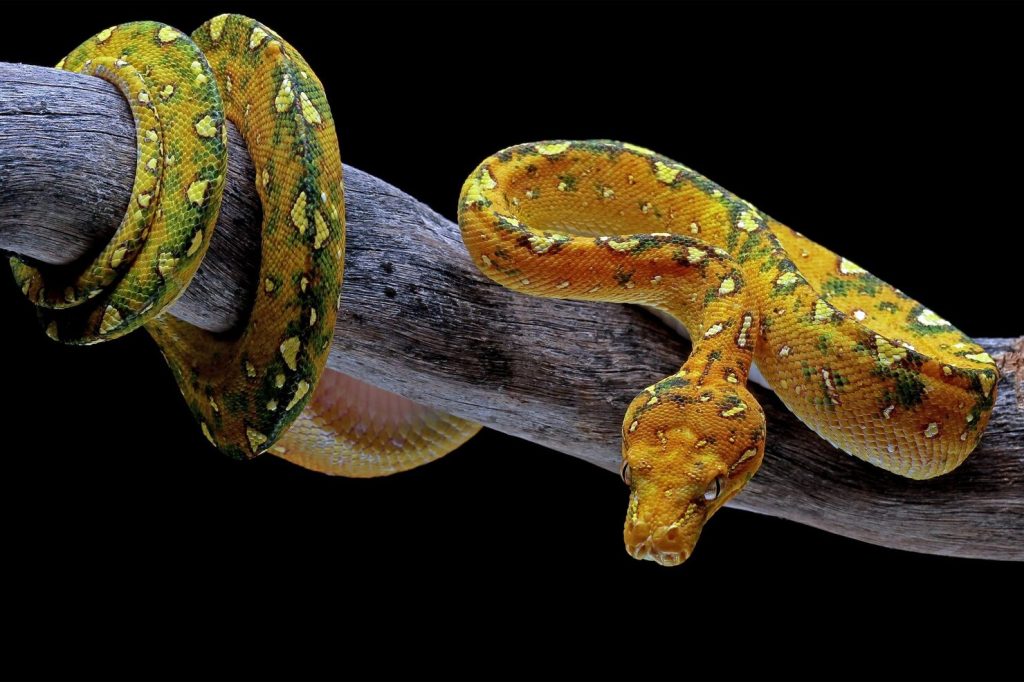
- Venomous snakes – such as the eastern brown, taipan, tiger, or death adder.
- Spiders – particularly the funnel-web and mouse spider, whose bites can cause severe reactions.
- Marine creatures – like the cone snail or blue-ringed octopus, which can cause paralysis and respiratory failure.
Medical Rationale: Slowing Lymphatic Spread
The lymphatic system is responsible for transporting venom from the bite site to the bloodstream. Movement speeds this process up. By firmly bandaging and immobilising the affected limb, the pressure immobilisation bandage restricts lymph flow, delaying the venom’s spread and giving emergency responders more time to administer antivenom.
Even though PIT does not neutralise the venom, it drastically reduces its rate of travel through the body, improving survival odds and reducing symptom severity.
Step-by-Step Guide to Applying PIT
Applying PIT correctly is critical. Improper technique can render it ineffective. Follow this structured process:
Step 1 – Secure a Pressure-Filled Bandage
- Ensure safety – Move the person away from the danger zone.
- Lay the patient down – Keep the bitten limb below heart level and as still as possible.
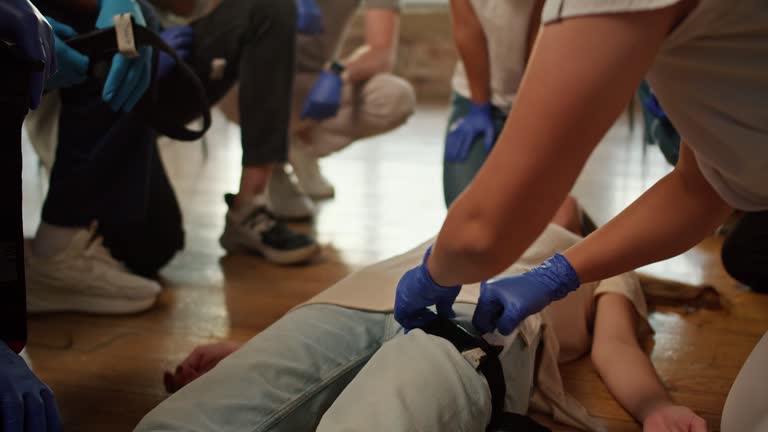
- Apply firm pressure over the bite site – Use a wide, elasticised bandage or any clean cloth if unavailable. Wrap firmly but not so tight that it cuts off circulation.
As a tip, aim for pressure similar to what you’d use for a sprained ankle.
Step 2 – Immobilise the Limb Correctly
Continue wrapping the pressure immobilisation bandage up the entire limb — from the bite site toward the body (e.g., from toes to hip or fingers to shoulder). Overlap each layer slightly to maintain even compression.

Signs of Correct Fit vs. Circulation Issues
- Correct fit: The bandage feels snug but not painful. Toes or fingers remain pink and warm.
- Too tight: Skin becomes pale or cold, and the person feels tingling or numbness. If this happens, loosen slightly but do not remove entirely.
Step 3 – Splint, Sling, and Mark the Bite
- Use a splint or rigid item (like a stick or rolled newspaper) to immobilise the limb completely.
- Secure the splint using extra bandages or cloth.
- Mark the bite site on the bandage with a pen or marker if possible.
- Keep the patient still and reassure them continuously.
Step 4 – Call Emergency Services
Call 000 immediately. Inform responders about the type of animal involved, if known. Do not remove the bandage. Only medical professionals should do this once antivenom is available.
| Important: Even if symptoms seem mild, all snake or funnel-web spider bites in Australia require emergency medical care. |
When Not to Use PIT
While highly effective, PIT is not suitable for every type of sting or bite. Misuse can worsen certain injuries.
Signs It’s Contraindicated or Post-Application Cautions
Do not use PIT for:
- Jellyfish stings – Rinse with vinegar and immerse the area in hot water instead.
- Bee or wasp stings – Remove the stinger gently and use a cold pack for swelling.
- Non-venomous bites or scratches – Clean the wound with soap and water; PIT is unnecessary.
Avoid applying tourniquets or narrow straps like belts or shoelaces. These can cut off blood flow and cause tissue damage.
Never remove the bandage before medical assessment. Doing so can cause a sudden surge of venom into the bloodstream.
Evidence & Expert Recommendations
Australian vs. Global Medical Advice
Australian medical authorities strongly recommend the pressure immobilisation technique for confirmed or suspected venomous bites. It’s a proven first aid standard developed by Australian researchers and now recognised globally.
Outside Australia, PIT may not always be advised. This is the case in regions where different snake species cause tissue-damaging venom. However, for Australian elapids, spiders, and certain marine creatures, it remains the gold standard of care.
Research Gaps & Ongoing Evaluation
Recent studies continue to evaluate optimal bandage pressures, limb immobilisation methods, and training approaches for rural and remote responders. Ongoing research aims to refine PIT application for better survival rates, especially in regions with limited medical access.
FAQ
Can PIT Stop All Venom?
No. PIT cannot neutralise venom or remove it from the body. Its main purpose is to slow the spread until antivenom can be given by professionals.
What If I Don’t Have a Proper Bandage?
Use any clean, wide fabric that can wrap firmly — such as a T-shirt, towel, or scarf. The key is even pressure and complete limb immobilisation.
How Long Should I Wait Before Professional Care?
Never wait. Apply PIT immediately and call 000 for emergency assistance. Keep the patient calm and still until help arrives.
Learn More With Our Courses
Learning the pressure immobilisation technique hands-on can dramatically increase your confidence and readiness in emergencies. CPR First Aid offers nationally recognised first aid and CPR courses across Australia, including:
- Snake and Spider Bite First Aid – Understand how to recognise and treat venomous bites safely.
 HLTAID011 Provide First Aid – Comprehensive training including PIT, CPR, and wound care.
- HLTAID012 Provide First Aid in an Education and Care Setting – Ideal for parents and educators caring for children in outdoor environments.
 HLTAID011 Provide First Aid
By completing certified training, you’ll know exactly how to apply PIT first aid correctly and avoid common mistakes that could cost lives.